
How to Take a Professional Headshot (That Actually Looks Like You)
&layout=none&ref=https://www.steveherlihyphotography.com/blog/2026/5/how-to-take-professional-headshot)
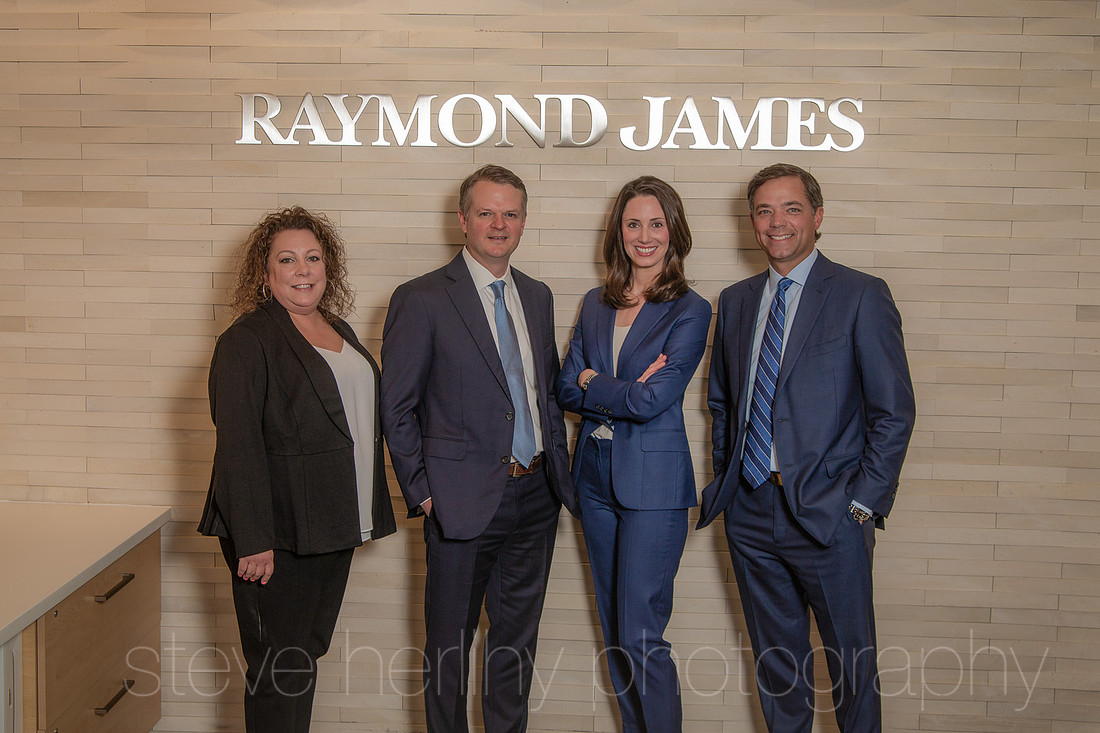

A professional headshot is a clean, well-lit photo from the chest up that shows exactly who you are. No filters, no exaggerated version of you. To get there, use soft natural light near a window, place the camera at eye level, use a portrait lens or 2x zoom on your phone, and wear solid, neutral colors. That’s the foundation. Everything else improves how natural and confident you look.
What Is a Professional Headshot?
A professional headshot photo is a tight, chest-up image used for LinkedIn profiles, company directories, speaker bios, and personal branding. It’s designed to present you clearly and accurately, not artistically or dramatically.
If you’re wondering what is a headshot in photography, it’s simply a focused portrait where your face and expression carry the image. No distractions, no storytelling elements, just you.
What separates it from a regular headshot picture is intent. A casual photo might look good. A professional one is built to communicate trust, clarity, and approachability at a glance.
When people ask what is headshots, they’re usually referring to this exact format: clean, direct, and purpose-driven portraits used in professional settings.
What Makes a Great Headshot (And What Kills One)
There are four things that decide whether your headshot works or not. Not gear. Not editing. These.
Lighting: The Single Biggest Factor
Good light makes everything easier. Soft, diffused light from a window or open shade gives you even skin tones and natural depth. Stand facing the light, not under it.
Bad light does the opposite. Overhead lighting creates shadows under your eyes. Direct sunlight forces you to squint. Flash straight at your face flattens everything.
If you want to know how to take a great headshot, start with light. Get that right first.
Expression: Relaxed but Present
The difference between a strong and weak headshot usually comes down to the eyes.
A slight narrowing of the eyes, often called a “squinch,” creates focus without tension. It reads as confident without looking forced.
Wide eyes, forced smiles, or overly serious expressions feel disconnected. You don’t need to perform. You need to look like you’re actually there.
Background: Simple Beats Clever
A clean background keeps attention where it belongs.
Plain walls, soft blur, or neutral textures work well. Busy environments pull attention away from your face. Shelves, clutter, or detailed outdoor scenes dilute the image.
A professional headshot isn’t about the setting. It’s about clarity.
Framing: Chest Up, Eye Level
Camera position matters more than people expect.
Too low and it distorts your face. Too high and it feels unnatural. Eye level or slightly above is where things look most balanced.
Frame from the chest up. Too close feels cramped. Too wide loses focus.
How to Take a Professional Headshot at Home
If you’re trying to figure out how to take professional headshot images without a studio, this is where it starts. Keep it simple.
-
Clean your camera lens
A quick wipe removes haze and improves sharpness immediately. -
Find indirect natural light
Stand near a window with soft light. Avoid direct sun hitting your face. -
Use a clean background
A plain wall, door, or neutral surface works best. No distractions. -
Use 2x or 3x zoom on your phone
Avoid the wide-angle lens. It distorts facial features. -
Stabilize your camera
Use a tripod, stack of books, or a steady surface. Avoid handheld shots. -
Set the camera at eye level
This keeps proportions natural and avoids awkward angles. -
Take 30 or more shots
Your expression will change subtly across frames. Don’t rely on one photo. -
Choose the most natural frame, not the most “perfect” one
The best image is the one that feels like you.
If you’re learning how to take a professional headshot with your phone, this process is enough. The phone isn’t the limitation. Light and expression are.
Also read: What Actually Makes a Maternity Photo Look Flattering
What to Wear for a Professional Headshot
Clothing should support the image, not compete with it.
Solid colors work best. Navy, black, gray, and muted tones photograph consistently well. They keep attention on your face.
Avoid patterns, logos, and anything overly bright. These pull focus and age quickly.
Fit matters more than style. Clothes that sit well on your body help your posture look natural. Tight clothing creates tension. Loose clothing softens your outline too much.
Hair and grooming should look like you on a good day. Not overly styled. Not different from how you normally present yourself.
If you’re thinking about how to take a good headshot for work, this is where many people go wrong. They try to dress for the photo instead of dressing like themselves.
What NOT to Do in a Headshot
A lot of decent headshots fall apart because of small, avoidable mistakes.
Over-editing is one of the biggest. Heavy retouching removes texture and makes you look unfamiliar. A headshot should still look like you when someone meets you.
Wearing something you wouldn’t normally wear creates a disconnect. It might look good in isolation, but it won’t feel accurate.
Stiff posing is another common issue. Holding a position too carefully removes natural movement. It shows up in your shoulders and jaw.
Bad lighting ruins everything. Harsh shadows, backlighting, or uneven exposure distract from your expression.
Using filters or wide-angle selfie mode distorts your face. It’s subtle, but noticeable.
And finally, choosing the most “flattering” image instead of the most accurate one often backfires. The goal isn’t perfection. It’s recognition.
When to Skip DIY and Hire a Professional Headshot Photographer
DIY works for many situations. But there are times when it’s worth stepping back and bringing in someone experienced.
If your headshot is tied to your career, client perception, or public presence, the margin for error is smaller. Subtle differences in lighting, direction, and expression matter more.
A professional doesn’t just take the photo. They guide how you stand, how you relax, and when to capture the frame. That’s hard to replicate on your own.
This is similar to what happens in other types of photography. A good photographer isn’t just technical. They help you stop looking like you’re posing. If you’ve ever wondered why some images feel natural and others don’t, that’s usually the reason.
We’ve explored that idea in more depth here: Why Your Wedding Photos Don’t Look Like Pinterest
Professional Headshots in Nashville, TN
If you’re looking for headshots in Nashville TN, the approach matters more than the setup.
A good session should feel calm, not rushed. You should have time to settle, adjust, and stop thinking about the camera.
At Steve Herlihy Photography, the focus is on creating that space. Whether you’re updating a LinkedIn profile or building a personal brand, the goal is to produce something that feels accurate and consistent.
If you’re working with a photographer in Nashville TN, look for someone who pays attention to expression and pacing, not just lighting and gear.
And if you’ve previously worked with a family photographer in Nashville TN, you’ll already know how much comfort affects the final image. The same principle applies here.
FAQs About Professional Headshots
What is the 20-60-20 rule in photography?
It refers to light balance. Around 20 percent shadow, 60 percent midtone, and 20 percent highlight. In headshots, this creates depth without harsh contrast.
How do I make my headshot look professional?
Focus on four things. Good light, sharp focus on the eyes, a clean background, and a natural expression. Everything else is secondary.
Can I take a professional headshot with my iPhone?
Yes. Use 2x zoom, find soft window light, and shoot at eye level. The phone is capable. The setup matters more.
If you want to skip trial and error and walk away with a headshot that actually looks like you, working with someone experienced makes the process simpler. If you’re exploring options for headshots in Nashville TN, it’s worth having that conversation before trying to figure everything out alone.