- What to Look for in a Nashville Event Photographer
- Why Local Nashville Experience Matters
- Why a Dedicated Photographer Can Be a Good Fit for Your Business
- Corporate Headshots vs. Full Event Coverage: What's the Difference?
- Questions to Ask Before You Book
- How Much Does an Event Photographer Cost in Nashville?
- When to Book Your Nashville Event Photographer
- Finding the Right Fit for Your Event
- Frequently Asked Questions
When choosing an event photographer in Nashville, look for someone who has photographed events like yours, shows you their full galleries, and knows how to adapt when plans change. Make sure the pricing is clear, too. Book two to four months before your event so that you will have more time to find the one you want.
You can assess their experience and suitability by checking these six things before booking:
- Relevant experience: Has photographed events like yours, not just weddings or portraits.
- Full galleries: Can show you a complete event gallery, not just a selection of their best shots.
- Adaptability: Can adjust when the schedule changes, a keynote runs late, or dinner moves to another room.
- Backup equipment: Has backup cameras and equipment in case something stops working.
- Clear pricing: Explains what's included in the fee and what costs extra.
- Usage rights: Clarifies where you can use the photos and whether any time limits or restrictions apply.
This guide covers what to look for when choosing an event photographer in Nashville.
What to Look for in a Nashville Event Photographer
A professional photographer in Nashville should be able to explain how their experience fits your event, rather than just show you their attractive images. Below are three different things that you need to consider while looking for an event photographer in Nashville:
Experience With Your Specific Event Type
A large conference, a small board dinner, and a headshot lounge at a company retreat, every event needs different approaches.
- At a conference, the photographer needs to keep up with speakers, audience reactions, and the event schedule.
- At a board dinner, they need to capture natural interactions without asking them to pose separately for the picture.
- At a headshot lounge, they need to help people feel comfortable in front of the camera.
During consultation, ask the photographer if they've covered an event like yours before and what they've learned from that experience. These details tell you more about the photographer's suitability than their portfolio alone.
Having photographed different types of events till now, I’ve seen people become self-conscious as soon as they stand in front of the camera. So I’ve learned when to step back and let people carry on naturally, and sometimes I offer them little direction to make them feel comfortable and relaxed. In that way, the photographs feel natural rather than forced.
A Portfolio That Shows Range, Not Just Highlights
A few impressive photographs don't tell you everything about a photographer's work. See their complete gallery from an event similar to yours.
See how the photographer handles different settings, from bright outdoor spaces to dimly lit ballrooms, and check if the quality stays consistent throughout. Additionally, notice whether people look comfortable in candid photographs or just holding a pose for the camera.
Think about the photographs you'll actually need as well. Here are a few ideas you can consider:
- Natural photographs of guests talking and interacting?
- Polished group photos of teams, colleagues, or leadership?
- Candid reactions and unposed moments throughout the event?
- Clear, professional shots of speakers and presenters?
- Professional headshots with a consistent look across your team?
Then you should look at a portfolio and judge if the photographer can deliver the range your event requires.
Check What the Package Includes
Before agreeing to a quote, find out what's included in the package offered by a photographer:
- Session details and coverage hours
- Photo enhancements and editing
- Image delivery format and timeline
- Digital photo delivery on a memory drive
- Additional photographer availability
Check that the package clearly outlines these details, and also confirms what happens if your event runs longer than planned. You can review Steve Herlihy Photography’s packages and pricing to see the costs upfront and what each package includes; after this, you can discuss your event’s specific needs.
Why Local Nashville Experience Matters
Nashville has a wide range of event venues, from downtown hotels and historic estates to warehouse spaces and rooftops. Each venue has its own challenges for photography.
Sometimes the photographer needs to work with limited space, changing light, venue rules, or tight schedules when moving between locations. Outdoor events can be tricky in case the weather changes. Even indoors, the lighting can make a big difference in how people look in the photos.
When choosing a photographer in Nashville, TN, businesses can rely on a local Nashville photographer who knows how to handle these situations. Steve Herlihy Photography brings 18 years of combined photography and styling experience with a practical understanding of people, venues, and the requirements of different events.
Why a Dedicated Photographer Can Be a Good Fit for Your Business
When you use different photographers for each event, you need to explain your preferences to each new photographer, which means you need to repeat instructions about headshot backgrounds, image style, and team portraits.
Working with the same photographer, who already knows your team and preferences, can make things easier for you. It can also help keep your headshots, company event photos, and future portraits consistent with your business's image.
A dedicated photographer can't remove every challenge from an event, but having someone who understands your preferences can make planning and future bookings simpler.
Corporate Headshots vs. Full Event Coverage: What's the Difference?
Choose the service that is based on how you plan to use the photos:
- Full event coverage is ideal for conferences, galas, company celebrations, and brand launches. It captures the event as it happens, from speakers and group photos to guests chatting and interacting. Explore Steve's full event coverage to see examples of this work.
- Headshot-only sessions work well when updating employee profiles, photographing new hires, or refreshing leadership portraits. A planned session helps keep the lighting, background, and overall look consistent across your team’s photos. You can explore Steve Herlihy Photography’s headshot services to find an option that suits your team’s needs.
- Both services on the same day could be a good decision for your company retreat or annual meeting. You can arrange a headshot station during a quieter part of the schedule, while the photographer covers the rest of the event.
Questions to Ask Before You Book
When comparing photographers in Nashville, TN, a short conversation with them can tell you a lot about how they work. Ask these questions before you make a decision:
- Is my date available? Confirm availability and ask when the booking becomes official.
- What's included in the price? Check the coverage hours, editing, delivery, and extra charges.
- What editing style do you use? Ask what the finished images will look like and whether you can view a complete gallery.
- When will I receive the photographs? Confirm the expected delivery date and any rush-delivery options.
- Can I speak to a past client? If references are available, ask about communication, reliability, and the finished work.
- What usage rights will I receive? Confirm whether you can use the photographs on your website, social media, in marketing materials, and in press releases. Ask about any restrictions and clearly state them in the contract or agreement.
How Much Does an Event Photographer Cost in Nashville?
The amount of coverage you need and the work involved before and after the event will determine the cost. Here are some main factors that can affect the price:
- Coverage time: How long the photographer needs to stay.
- Event complexity: Whether activities happen in several rooms or at different times.
- Additional services: A second photographer or headshot station may increase the cost.
- Editing and delivery: The amount of post-event work and how quickly you need the images.
- Travel and extra hours: These may affect the final quote.
Always check what each proposal includes rather than choosing the lowest number. A cheaper package may not include the headshots, additional coverage, or usage rights you need for your event.
When to Book Your Nashville Event Photographer
Book your Nashville photoshoot two to four months before your event. For large conferences or events during busy spring and fall weekends, book earlier to secure your preferred date so you can have enough time to discuss the schedule, key moments to photograph, and venue arrangements
Smaller gatherings may be easier to arrange closer to the date, but you will have to see if the photographer’s schedule is free on that day or not. Once you have a date and venue, you can start the conversation even if the event timetable isn't final.
Share the details you already know, including the expected attendance, schedule, and photographs you need. A Nashville event photographer can then assess the scope of the work and explain what information they'll need before the day.
Finding the Right Fit for Your Event
If you are planning an event and want a photographer who listens to what matters to you, and helps your guests to feel comfortable.
You can discuss your event’s needs and priorities with Steve Herlihy Photography to arrange an event photography in Nashville, TN or headshot photography session that reflects your business’s image and style.
Frequently Asked Questions
How do I choose an event photographer in Nashville?
Look for experience with events similar to yours, review a complete gallery, and ask about pricing, delivery, and image usage rights. Choose someone whose approach fits your event and who can explain clearly how they'll cover it.
What should I ask a Nashville event photographer before hiring?
Confirm availability, coverage hours, additional fees, editing, delivery time, backup arrangements, and usage rights. Ask to see a full gallery from a comparable event before you book.
How much does a photographer charge for an event in Nashville?
The cost depends on coverage time, event complexity, editing, and additional services. Ask for a quote based on your requirements and compare what's included before making a decision.
How far in advance should I book an event photographer?
Two to four months ahead is a useful starting point for most events. Book earlier if your date falls during a busy season or you have a large event with several coverage requirements.
]]>One gives you eight hours. Another gives you ten. One includes a second photographer, while another emphasizes an engagement session, an album, or additional images.
So which one actually makes sense for your wedding?
The answer isn't always the package with the most hours or the most photos.
What matters is that it fits how your wedding is planned, the moments you want documented, and the experience you want along the way.
Let's look at what's usually included in packages, what each part actually means, and the things I'd recommend considering before you choose one.
What Are You Actually Buying When You Book a Wedding Photography Package?
A wedding photography package is more than the number of hours your photographer is holding a camera. There is work before, during, and after the wedding that shapes the final collection.
Before the wedding, that can include communication, timeline discussions, preparation, and figuring out what parts of the day matter most to you.
During the wedding, your photographer is not just taking pictures. They're observing, directing when needed, anticipating what is about to happen, and adapting to changing light, timing, people, and plans.
Afterward, the work continues with selecting and culling images, editing them, organizing the collection, and delivering your photographs.
Throughout the day, the photographer is constantly deciding where to position people, when to photograph, when to wait, when to move, and when to step back and let a moment happen.
You may never notice most of those decisions. That's partly the point.
So when comparing packages, don't look only at what's included during the listed coverage hours. Look at the service as a whole, and what those hours actually allow your photographer to do.
Wedding Photography Pricing: How Much Should You Budget?
When you first start looking at wedding photography pricing in Nashville, the numbers can be a little confusing.
You might see one package that seems surprisingly affordable, while another costs quite a bit more. And it's easy to wonder what you're actually getting for the difference.
A smaller wedding or elopement may not need the same amount of coverage as a full wedding day with multiple locations, separate getting-ready spaces, and a longer reception.
Then there are the things that come with the package. Some photographers include a second photographer, engagement session, albums, or other products, while others offer them separately.
A local wedding photographer can also bring useful knowledge of Nashville venues, locations, travel time, and how different parts of the city can affect your timeline.
So instead of asking which photographers in Nashville, TN have the lowest price, it helps to look at what your wedding needs and what you're getting for the investment.
What Is Usually Included in Wedding Photography Packages?
Wedding photography packages can look very different when you compare them next to each other.
One might focus on longer coverage, another might include a second photographer, while another adds an engagement session or album.
So what are all these things actually referring to?
-
Coverage
Coverage is simply the amount of time your photographer is with you. That time might begin while you're getting ready and continue through the ceremony, portraits, and reception, depending on the package you choose.
-
Photographer(s)
Some packages include one photographer, while others include a second photographer for part or all of the day. Having another person there can be useful when different parts of the wedding are happening at the same time.
-
Planning
The photography doesn't really begin when the camera comes out. Planning happens beforehand, too. This can include talking through your timeline, locations, priorities, family photographs, and anything else your photographer should know before the day arrives.
-
Editing
Once the wedding is over, the work isn't finished. Your photographer goes through the photographs, selects the images that belong in your final collection, and edits them so they have a consistent, finished look.
-
Engagement Session
An engagement session gives you some time in front of the camera before the wedding day. Some packages include one, while others make it an optional addition.
-
Bridal Portrait Session
Some packages offer a separate bridal portrait session, giving you dedicated time for bridal portraits outside the rush of the wedding day. It can be a more relaxed opportunity to focus on your dress, hair, makeup, and the details of your bridal look.
-
Photo Enhancements
These can go beyond the usual editing applied to your wedding photographs. Some packages offer additional photo enhancements to give certain photographs a more finished or creative treatment.
-
Edited Photographs / Digital Photographs
Your finished photographs may be provided as edited digital images, giving you a collection that you can keep, print, and share. In some cases, the digital photographs are delivered on a memory drive that you can keep as a physical copy of your collection.
-
90-Photo Slideshow
A 90-photo slideshow turns a selection of your wedding photographs into a visual recap of the day. The photographs are presented together in a sequence, allowing the moments to flow from one to another.
You get to experience a glimpse of the day as a story rather than simply looking through a folder of photographs.
-
Wedding Album
A wedding album turns your photographs into a physical story of the day. Rather than having your favourite images sitting only on a screen, you have a finished album you can return to years later.
-
Canvas Prints
Some packages offer canvas prints, allowing you to turn selected wedding photographs into pieces you can display in your home.
At this point, you might be looking at the list and thinking:
"Okay, I see what's included. But which of these things will actually make a difference on our wedding day?"
That's where it gets more useful to look at them individually.
Let's take a closer look at each one, starting with the amount of coverage your wedding actually needs.
Does More Wedding Photography Coverage Mean Better Photos?
You might see six hours, eight hours, ten hours, or even more. You don't necessarily need the longest coverage available.
If your ceremony starts at 4 p.m. but you want photographs of hair and makeup, your parents arriving, quiet moments before you walk down the aisle, and those later reception moments like dancing, speeches, a surprise from your friends, or your last dance
But those may not be photographed because your package ends shortly after dinner.
That's why you wouldn't choose coverage based on the biggest number on the pricing guide.
You should look at your wedding timeline first and ask: When do we want our photographer there, and when would we be okay with them leaving?
The answer usually makes the right amount of coverage much clearer.
Do You Need a Second Wedding Photographer?
Some packages include one photographer, while others include a second photographer for part or all of the day.
At first, it can sound like you're simply getting twice as many photographs. That's not really the main reason a second photographer is needed.
Think about what happens before the ceremony.
Imagine you're getting ready with your friends and family while your partner is greeting guests downstairs.
If there's only one photographer, they have to choose where to be.
With two photographers, we can split up and document both sides of the story.
It also gives us more opportunities to photograph the same moment from different perspectives.
For larger weddings, complicated timelines, multiple getting-ready locations, or couples who want more guest coverage, a second photographer can make a real difference.
Why Is Planning Part of Your Wedding Photography Package?
This is the part couples sometimes don't think about until they're in the middle of wedding planning.
And it can have a surprisingly big effect on the experience.
Wedding photography usually involves some planning before the actual day.
Your photographer may help with the timeline, talk through locations, create a family-photo list, discuss the light at different parts of the day, or simply help you figure out how much time certain photographs will take.
And those conversations matter.
For example, you might want photographs with your immediate family, your wedding party, and a few larger family groupings after the ceremony.
But if cocktail hour starts immediately afterward, we also need to think about how those photographs fit into the schedule.
A little planning beforehand can prevent everyone from standing around wondering what happens next.
You're not just hiring someone to take photographs. You're trusting someone to help you navigate a day they've photographed many times before.
A photographer who understands your timeline, priorities, family dynamics, and locations can anticipate what needs to happen instead of simply reacting to it.
How Many Edited Photos Should You Expect?
The first question couples have when comparing packages is "How many photos do we get?"
And it makes sense.
But this is where comparing numbers can get a little misleading.
If one photographer offers 600 edited photographs and another offers 1,000, it's easy to think the second package gives you more.
But does it?
Imagine photographing the first dance.
There might be several frames of the same smile, the same movement, or the same moment from slightly different angles.
But you probably don't need twenty versions of the same moment sitting in your gallery.
A photographer may take several frames to make sure they have the right expression, the right composition, and nobody is blinking.
Only some of those photographs need to make it into your final gallery.
You should rather have fewer photographs you genuinely like, images that bring back the people, moments, and emotions of your day, than hundreds that look the same.
So when you're comparing packages, look beyond the promised number of images.
Ask to see a complete wedding gallery, rather than only the photographer's favorite highlights.
Look at how the entire day is documented.
Because years from now, you probably won't care whether your gallery had 700 photographs or 1,000.
You'll care about finding the photograph that takes you straight back to the way your partner looked at you, the way your family laughed, or the moment you didn't even realize was being photographed.
That's what makes a wedding gallery feel valuable.
What About Albums, Prints, and Other Ways to Enjoy Your Photographs?
Some couples are completely happy with their wedding photographs being digital.
Digital photographs are easy to share, easy to keep, and you can have your entire wedding day sitting in one gallery.
But maybe you're someone who loves having photographs around the house.
You might have already imagined one of your wedding photographs hanging on the wall, or an album sitting on your coffee table that you can pull out years later.
That's where canvas prints and a wedding album can be lovely additions.
A canvas print gives one of those photographs a place in your home instead of leaving it tucked away on a computer. And an album brings a collection of your favourite moments together in something you can actually hold and look through.
There are other ways to enjoy the photographs, too.
Photo enhancements can give selected images an extra level of finishing, particularly if there are photographs you know you'll want to print or display.
And a 90-photo slideshow gives you a completely different way to revisit the day. Instead of scrolling through photographs one by one, you can sit back and watch a selection of moments come together as a visual story.
You don't have to choose all of these.
For some couples, the digital gallery is everything they need. Others love the idea of having a beautiful album, a favourite photograph on the wall, or a slideshow they can watch with family.
Are Engagement Sessions Worth Including in a Wedding Photography Package?
Couples usually aren't used to having a camera pointed at them for an hour or two. You might feel awkward at first. You might not know where to put your hands or what you're supposed to do when someone says, "Just be yourselves."
That's completely normal.
An engagement session lets you learn how your photographer works and lets your photographer learn how you interact as a couple.
It is often included in some packages and offered as an optional addition in others.
They give us time to get comfortable with each other.
And when the wedding day arrives, you're not figuring all of that out for the first time.
And of course, you still get photographs you can use for your invitations, wedding website, or simply keep because you love having them.
How Will You Receive and Access Your Wedding Photographs?
Once your photographs have been edited, they need to make their way to you somehow.
It sounds straightforward, but this is something you'll be living with long after the wedding.
Your photographs may be delivered through an online gallery, where you can view and download them, share them with family and friends, and sometimes order prints directly.
You may also receive your digital photographs on a memory drive, giving you a physical copy of your wedding collection that you can keep safely with your other important belongings.
Both can be useful in different ways. An online gallery makes your photographs easy to access and share, while a memory drive gives you something physical to keep.
How Should You Compare Wedding Photography Packages?
Once you start comparing packages, it's easy to treat them like shopping lists.
More hours, more products, more services- it must be the better deal, right?
Not necessarily.
Start with coverage. Look at your actual timeline and locations, rather than comparing hours alone.
Then consider the people involved. One photographer may be enough, while separate getting-ready locations or a larger wedding may make a second photographer worthwhile.
Next, look at the process. How much planning and communication happens before the wedding? How does the photographer work with your timeline and family photographs?
Then come the photographs themselves. Look at complete galleries, not just image counts.
Finally, consider the deliverables like digital photographs, memory drives, albums, slideshows, or prints and whether you'll actually use them.
Bring all of that back to fit.
The best package is the one that makes sense for your wedding, your priorities, and the experience you want.
The Right Package Is the One That Fits Your Day
After you've looked at all of these inclusions, it's tempting to compare packages by adding everything up.
But it's much easier to start with your wedding.
-
When do you want your photographer to arrive?
-
What parts of the day matter most to you?
-
Are you getting ready separately?
-
Do you have multiple locations?
-
Is your guest list large enough that a second photographer would make things easier?
-
Do you actually want an album, or are digital photographs enough for you?
-
And when everything is over, would you love having an album or canvas print, or are digital photographs all you really need?
Once you have those answers, comparing packages becomes much simpler.
If you're looking for a wedding photographer in Nashville, take a look at Steve Herlihy Photography's wedding photography packages with those priorities in mind.
You may find that the package that makes the most sense isn't the one with the most included; it's the one that gives you what you actually want from your wedding photography.
See Steve Herlihy Photography's Wedding Packages
Frequently Asked Questions
Q1. How many hours of wedding photography do I need?
It depends on your timeline, locations, and the moments you want photographed. Choose coverage around your actual day rather than simply choosing the longest package.
Q2. How do you choose among wedding photographers in Nashville, TN?
Look at their full wedding galleries, photography style, package coverage, experience, and how well their approach fits the way you want your wedding day documented.
Q3. Is a second photographer necessary?
Not always. It can be especially helpful when you have separate getting-ready locations, a larger guest list, multiple events happening at once, or a complex timeline.
Q4. How many wedding photos should I receive?
There isn't one ideal number. The final count depends on your wedding and coverage, but a complete, thoughtfully edited collection matters more than simply receiving the highest number of images.
]]>In most cases, the best time to book your newborn photographer in Nashville is during the second trimester. That reserves your due month, while the session itself usually takes place when your baby is between 5 and 21 days old.
If you're wondering why that timing matters or what else to expect, this guide answers the questions most parents have before booking.
Why the First Two Weeks Change Everything
The best time for newborn photos is usually between 5 and 14 days after birth, and the reason has more to do with your baby's development than a photographer's preference.
During this stage, many babies still sleep deeply, naturally keep the curled position they had in the womb, and are easier to settle into gentle, comfortable poses. Their skin is also beginning to settle after birth, although some peeling is completely normal.
After about three weeks, babies usually become more aware of the world around them. They wake more easily, stretch out more often, and spend longer periods looking around. That doesn't mean you've missed your chance. It simply means the session looks a little different.
I've photographed 8-day-old babies who wanted to stay awake and 16-day-old babies who slept peacefully through most of the session. The ideal window gives us the best chance, but your baby's personality always has the final say.
Booking Before Birth, Not After
Book your newborn session before your baby arrives, ideally during the second trimester. We reserve your due month and confirm the exact date after birth. If your baby is already here, don't panic. Get in touch anyway. Even if the timing changes, it's often still possible to create beautiful newborn photographs.
What Actually Happens During a Nashville Newborn Session
A newborn session moves at your baby's pace, not the clock. While most sessions last 2 to 3 hours, only part of that time is spent taking photos. The rest is for feeding, changing, cuddling, and settling your baby. Some of my favorite photographs happen while parents think we're taking a break.
What to Dress Your Baby In (and What to Expect)
Simple, soft wraps and neutral outfits usually photograph best because they keep the focus on your baby, not the clothing. Bring 2–3 outfits, an extra swaddle, and anything meaningful, like a family blanket. Skip bulky fabrics, scratchy materials, and too many themed outfits; they often add stress without improving the photos.
Parents often spend the most time choosing outfits, but babies have a way of making everyone forget what they were wearing within a few minutes.
Poses That Are Actually Comfortable for a Newborn
Most poses are simple, curled, or gently side-lying because they're the most comfortable for newborns. Your baby's safety always comes first, and if a pose doesn't feel right, we skip it. Some babies sleep for two hours. Others want to look around the whole time. Both make wonderful photographs.
Parents are always welcome to be part of the session, and siblings usually join for a few photographs before taking a break. As a family photographer in Nashville, TN, I've learned that young children are often happiest when we photograph them first.
In-Home vs. Studio Newborn Sessions
The location isn't usually what makes a newborn session successful. A calm baby and relaxed parents make a much bigger difference.
An in-home session feels personal and comfortable. Your baby stays in a familiar space, and your nursery naturally becomes part of the photos. It also saves you from packing up and traveling with a newborn. The only downside is that lighting and space can be less predictable.
A studio session gives you more control. The lighting is consistent, simple backdrops are ready to use, and everything is set up for newborn photography. If you prefer clean, timeless portraits, a studio is often the easier choice.
My advice is to choose the setting that will help your family feel most at ease. If being at home makes the day less stressful, that's probably the right decision. If you'd rather have everything prepared before you arrive, the studio is a great option.
How to Choose a Newborn Photographer in Nashville
A beautiful portfolio is important, but it shouldn't be the first thing you look at. When you're choosing a newborn photographer in Nashville, TN, experience with newborns and a strong focus on safety matter even more.
Before you book, ask a few simple questions:
- How much experience do you have photographing newborns?
- How do you keep babies safe and comfortable during a session?
Newborn photography is a different skill from weddings or headshots. It takes patience, an understanding of infant behavior, and knowing when to stop instead of pushing for one more pose. That's something an Instagram gallery can't show.
I've learned that the best sessions aren't about creating the most elaborate images. They're about working at the baby's pace and putting safety before every photograph. That's the kind of experience worth looking for, no matter who you choose.
Common Mistakes New Parents Make When Planning Newborn Photos
A relaxed newborn session rarely happens by chance. A little planning beforehand can make the experience feel much calmer for everyone. Avoiding a few common mistakes often matters more than getting every little detail exactly right.
The most common mistakes I see are:
- Overplanning outfits and props. A few simple, comfortable pieces almost always photograph better than a suitcase full of options.
- Booking too late. If your baby has already arrived, don't assume you've missed your chance. Reach out anyway. We can often adjust the session to your baby's age.
- Expecting Pinterest-perfect poses. Every baby has a different personality. Some sleep soundly, while others stay curious and alert. Both can lead to beautiful photographs.
- Forgetting to mention sensitivities or special needs. Let your photographer know about anything that could affect your baby's comfort or safety before the session.
Combining Newborn, Family, and Maternity Photography
Newborn photos don't have to stand on their own. Many families choose to document more than one chapter, creating a collection that feels complete rather than separate.
A Fresh 48 session captures the first day or two after birth, while you're still at the hospital. Those photos have a very different feel from a newborn session at home or in the studio, making them a meaningful addition for families considering a birth photographer in Nashville.
If you already have children, siblings can easily be included without making the session feel overwhelming. We usually photograph those family portraits first, then let older children take a break while we focus on the baby.
Some parents also book a maternity session before their baby arrives. Working with the same maternity photographer in Nashville creates a natural connection between pregnancy and those first days with your newborn. It's not about taking more photos; it's about documenting your family's story in a way that feels right for you.
Newborn Photography Pricing in Nashville
Newborn photography in Nashville, TN, pricing can vary depending on the session type, what's included, and whether you'd like family portraits as well. Rather than focusing on finding the lowest price, it's worth looking at the photographer's experience, safety practices, and what's included in the final gallery.
If you'd like a clear breakdown of my session options, you can explore our newborn photography packages before deciding what feels right for your family.
Getting Started
If you're expecting a baby, it's worth starting the conversation before your due date rather than after. We can reserve your due month now and choose the exact session date once your baby arrives.
It gives you one less thing to think about during those busy first weeks and the flexibility to photograph your baby when the timing is right.
Frequently Asked Questions
Q1. How much does newborn photography cost in Nashville?
Pricing depends on session length, location, and what's included in the final gallery. Rather than comparing price alone, look at what you're getting for it: experience, safety practices, and the number of edited images.
Q2. Is there free or affordable newborn photography in Nashville, TN?
True "free" newborn photography is rare, since a proper session takes hours of a trained photographer's time. An affordable option is more realistic; look for mini sessions or simplified packages that keep the essentials without the extras.
Q3. What's the best age for newborn photos?
Most sessions happen when the baby is 5 to 21 days old, with 5 to 14 days being ideal for the sleepiest, most curled poses.
Q4. Do you offer in-home newborn sessions?
Yes. In-home sessions keep your baby in a familiar space and often include the nursery as part of the gallery.
After years of photographing couples, I've noticed people rarely struggle with whether to get engagement photos. They struggle to understand why one session costs three times as much as another that looks nearly identical on paper.
A session may cost as little as $150 or as much as $1,500, even when both photographers offer what seems like a similar experience. Most couples spend between $200 and $800 for engagement photos, with the final price depending on the photographer's experience, location, session length, and what is included after the shoot.
In this guide, we'll explain the average price for engagement photos, what influences engagement photography costs, and how to compare photographers based on value rather than price alone.
Average Price for Engagement Photos by Package
Most engagement photo sessions cost between $200 and $800. The wide range can be confusing because two photographers may seem to offer similar sessions but charge very different prices.
Lower-priced sessions often include a shorter shoot and a smaller number of edited photos. Higher-priced sessions may include more planning, multiple locations, outfit changes, or extra editing work.
Price does not always reflect quality. Some photographers prefer to keep their pricing affordable and simple. Others charge more because they spend additional time on planning, travel, editing, or other services behind the scenes.
The most important thing is to understand what is included in the price rather than focusing only on the number itself.
What Affects Engagement Shoot Prices?
The pricing starts to make more sense once you realize that you are paying for much more than the time spent taking photographs.
Engagement photo prices are usually influenced by much more than the time spent with the camera. Planning, location research, editing, communication, and overall experience can all play a role in determining the final cost.
Location and Travel
Typical impact: 10% to 30% or more
Photographers in larger cities often have higher operating costs. Travel time, parking, permits, and location research can also affect pricing.
In Nashville, timing and location can also influence pricing. Popular spots tend to become busier during spring and fall, which are also the seasons when engagement sessions book most quickly. Some locations may require permits or additional planning, particularly during peak seasons.
Session Planning and Guidance
Typical impact: 10% to 20%
Not every photographer works the same way.
Some simply arrive at the location and begin shooting. Others spend time helping couples choose locations, discuss outfits, and plan the overall feel of the session.
A little preparation can make a big difference. Before the session, it can help to think about:
- Whether you prefer an urban setting, nature, or a location that has personal meaning
- If you would like one or two outfits
- The season and expected weather
- Whether you prefer candid photographs, lightly posed images, or a mix of both
- Scheduling the session around sunrise or sunset for softer light
Couples often spend a lot of time worrying about poses. In reality, the sessions that go most smoothly are usually the ones where people arrive feeling prepared and relaxed. Comfort tends to have a much bigger influence on the final photographs than people expect.
Editing and Turnaround Time
Typical impact: 15% to 40%
An engagement session may last an hour, but the work continues long after the camera is put away.
Photographers still need to sort through hundreds of images, edit the final gallery, and prepare everything for delivery. Faster turnaround times may also increase costs because other work has to be rearranged.
Number of Final Images and Digital Rights
Typical impact: 10% to 25%
Some photographers include larger galleries and full printing rights. Others may provide fewer edited photographs or charge separately for additional images and downloads.
This is one reason why two sessions with similar prices can still offer very different value.
Wedding Bundle Discounts
Typical impact: Savings of 10% to 20%
Many photographers offer engagement sessions at a lower rate when they are booked together with wedding photography.
Beyond the savings, these sessions also give couples a chance to become comfortable in front of the camera before the wedding day.
A useful thing to know: Better pricing is often available for weekday sessions, slower seasons, or when engagement and wedding photography are booked together. Spring and fall dates in Nashville usually fill up the fastest, so photographers may have less flexibility during those periods.
What's Included in an Engagement Photo Session?
An engagement session usually involves much more than the time spent in front of the camera. This is one reason prices can vary more than couples expect.
Most photographers begin with a conversation about locations, outfits, timing, and the type of photographs you hope to have. Some may also visit locations beforehand to check the lighting or find quieter spots.
The session itself typically lasts one to two hours. This gives couples enough time to settle in, walk between locations, and possibly change outfits without feeling rushed.
After the session, photographers spend additional hours selecting and editing the final images before delivering the gallery. Most couples receive their photographs within one to three weeks and can usually expect around 30 to 80 edited images.
Looking back at engagement photographs years later usually brings back memories of the evening, the conversations, and how the session felt. Comfort has a way of becoming part of the photograph itself.
Questions to Ask Before You Book
Surprisingly, the couples who feel most relaxed during their session are often the ones who asked the most questions beforehand. Knowing what to expect tends to remove a lot of unnecessary stress.
Before signing a contract, it helps to look beyond the session price and ask a few practical questions.
Are there any travel or location fees? Some locations require additional travel time, parking fees, or permits that may not be included in the initial quote.
How many edited images will we receive? The number of final photographs can vary considerably between photographers.
What level of editing or retouching is included? Some photographers provide standard color and lighting adjustments, while extensive retouching may involve additional costs.
When will we receive our gallery? Turnaround times can range from a few days to several weeks depending on the photographer's workflow and the season.
Are high-resolution digital files included? It is helpful to understand whether downloading, printing, and sharing rights are included in the package.
Do you offer engagement and wedding photography bundles? Many photographers offer package pricing when both services are booked together.
Can we use the images for save-the-dates, invitations, and printing? Understanding image rights beforehand can prevent surprises later.
A question that occasionally comes up from newer photographers is how much to charge for a shorter session, such as thirty minutes.
In practice, pricing is rarely based solely on the time spent taking photographs. Planning, communication, travel, editing, and gallery delivery still take place even for shorter sessions, which is why mini sessions often cost more than people expect on an hourly basis.
The goal is not simply to find the lowest price. It is to understand exactly what you are receiving and whether the photographer's approach feels like the right fit. That clarity often leads to a much better experience once the session actually begins.
How to Get the Best Value for Your Engagement Photos
People often assume that spending more leads to better photographs. In reality, comfort and thoughtful planning usually matter more.
Here are a few ways to get better value from your session:
- Consider off-peak dates. Spring and fall are popular seasons for engagement photos in Nashville. Weekdays or quieter months may offer more flexibility.
- Choose one meaningful location. Trying to fit several locations into a short session often creates unnecessary stress. Spending more time in one place usually allows couples to relax and enjoy the experience.
- Share your must-have photos in advance. If you have a special idea, family heirloom, or meaningful spot in mind, discuss it beforehand. A little planning helps the session run more smoothly.
- Talk about wardrobe early. Certain colors and patterns photograph better than others. Discussing outfits ahead of time can help avoid last-minute decisions and make the final gallery feel more cohesive.
- Prioritize comfort over complexity. The best photographs rarely come from the most elaborate plans. They usually happen once couples stop thinking about the camera and simply enjoy being together.
At the end of the day, the best photos aren't the ones that cost the most or took the most planning. They're the ones where you actually look like yourselves. When you stop worrying about making the session perfect, you finally give your photographer the chance to catch you being genuine.
How to Find an Engagement Photographer Near You
Some locations photograph beautifully throughout the year, while others change dramatically with the seasons. Finding the right photographer often means finding someone who understands those small details.
A portfolio can show beautiful images, but it does not tell you how a photographer communicates, handles awkward moments, or helps people relax in front of the camera.
One of the underrated things to look for is consistency. Pay attention to whether different couples in the portfolio look comfortable and natural, rather than simply focusing on the location or editing style. Beautiful locations can help, but comfort usually has a much bigger influence on the final gallery.
It is also worth reading reviews carefully. Couples often mention things that are difficult to see in photographs, such as whether the photographer was calming, patient, organized, or easy to work with.
Couples who are also researching wedding photographers in Nashville, TN often find that engagement sessions are a useful way to understand how a photographer works before the wedding day itself. Spending an hour together during an engagement session can make wedding photography feel much more familiar later on.
This is something I have seen repeatedly over the years. The couples who end up loving their photographs most are not necessarily the ones who found the most dramatic location or planned the most elaborate session. They are usually the ones who felt comfortable enough to stop thinking about the camera and simply enjoy the experience.
More Than Just Engagement Photos
A couple may first book an engagement session, return for wedding photographs, and then reach out again years later for family portraits or maternity photographs in Nashville. Others may need professional headshots as careers and businesses grow.
The interesting part is that the photographs themselves change, but people often look for the same thing each time: an experience that feels comfortable and genuine.
That is one reason many photographers end up photographing the same people for years. Familiarity often makes it easier for people to relax in front of the camera.
If you are planning other types of sessions in the future, you may also find these guides helpful:
Ready to Book?
If you're weighing engagement shoot prices right now, the number matters less than what's behind it. Steve Herlihy Photography brings 18 years of experience shooting weddings and engagements around Nashville. Reach out with your date and location idea, and you'll have a straight answer on pricing and what's included before you book.
Frequently Asked Questions
Q1. What happens if it rains on the day of the shoot?
Most photographers build in a rain date or offer to reschedule at no extra cost, but it's worth confirming this before booking.
Q2. Should I use the same photographer for engagement and wedding photos?
Not required, but it does mean less repeat cost to compare pricing across vendors and one less relationship to build from scratch before the wedding.
Q3. How far in advance of the wedding should engagement photos be taken?
Most couples schedule them 9 to 12 months out, early enough to use them for save-the-dates or invitations.
Q4. Do photographers charge a deposit to book an engagement session?
Yes, typically. A deposit, usually 20 to 50 percent, is standard practice to hold the date.
]]>

Choosing where to do your photos sounds simple until you actually try to decide.
Studio or outdoors? On paper it looks like a style preference. Clean vs natural. Minimal vs scenic. But once you start planning a maternity or family session, the decision becomes more layered. Comfort, weather, timing, kids, energy levels, the season you're shooting in. All of it starts to matter.
This isn't about which option is objectively better. It's about which one works better for the kind of experience you want to have.
Control vs Environment
At the core, this decision comes down to one thing: how much control do you want over the environment?
A photo studio in Nashville TN offers a controlled setting. Lighting, temperature, background, and pacing are all managed. Nothing unexpected happens unless you want it to.
Outdoor photography trades that control for atmosphere. You gain natural light, real locations, and a sense of movement. You give up predictability.
Both approaches can produce strong images. The difference is how they get there, and which tradeoffs you're more comfortable with.
What a Session At A Photo Studio In Nashville TN Actually Gives You
Studio work is often underestimated because it looks simple. Plain backgrounds, soft light, minimal distractions. But that simplicity is deliberate.
The main advantage is consistency. Lighting doesn't shift. Weather doesn't interfere. You don't need to chase sunset or work around clouds. For maternity sessions especially, removing that external pressure matters more than people expect. Energy fluctuates. Comfort becomes a real factor. A private, climate-controlled space makes it easier to slow down, take breaks, and change outfits without feeling rushed or observed.
For family sessions with young kids, the controlled environment reduces distractions. Fewer variables means fewer meltdowns and more usable moments.
The other thing studio work does well is longevity. No seasonal cues, no trendy locations, no background details that date the image five years from now. Just expression, light, and presence. That's why people who want something clean and lasting tend to lean toward studio work.
Where it falls short is spontaneity. The same control that makes it reliable can make it feel static if not handled well. There's less room for movement, less environmental storytelling, less of the looseness that comes from being outside.
What Outdoor Sessions Actually Give You
Outdoor photography is where things open up.
The main draw is natural light, particularly during golden hour. That warm, soft quality just before sunset creates depth and atmosphere that's genuinely hard to replicate in a studio. In Nashville, depending on the look you're going for, that can mean open fields, tree-lined parks, or urban textures.
Space is the other big advantage. You can walk, interact, move freely. That movement tends to produce more natural expressions, particularly for families. Kids especially respond well to environments where they're not confined. They can run, explore, and behave more like themselves, which is usually when the best family photos happen.
Outdoor sessions also carry context. A park you visit often. A neighborhood that feels like yours. That adds a layer of meaning that's harder to get in a studio.
Where outdoor sessions get complicated is everything you can't control. Good light is limited to specific windows. Most sessions happen early morning or just before sunset, which can be difficult to coordinate with kids and schedules. Weather is always a factor, and in Nashville, summers can be intense enough that a long outdoor session becomes genuinely uncomfortable, especially late in a pregnancy. Public locations also mean other people around, which some clients find fine and others find distracting.
For Maternity Sessions Specifically
This is where the decision becomes most personal.
A good maternity photographer in Nashville will guide this based on how you're physically feeling, not just what looks good on a mood board. The real question isn't the aesthetic. It's comfort.
If standing, walking, and being outside in natural settings feels easy at the stage you're shooting, outdoor sessions can be beautiful. The movement suits the season. If energy is lower, heat is a concern, or privacy matters, a studio session tends to be the stronger call. The calm, contained environment makes it easier to focus on the moment rather than manage the surroundings.
For Family Sessions Specifically
Family sessions shift the equation somewhat, mostly because of kids.
Younger children often do better with room to move. Outdoor sessions allow for that natural energy rather than trying to contain it. But outdoor environments also introduce distractions that can work against you. Noise, other people, dogs, anything that pulls attention away.
For very young kids or tight time windows, a studio session can be easier to manage. For older kids who can follow some direction without losing their personality, outdoor settings usually feel more natural.
Many family photographer in Nashville TN work both environments and will read the situation before recommending one. If you have a specific age range or a particular dynamic with your kids, that conversation is worth having before you book.
Nashville Changes the Calculation
Location is genuinely relevant here, not just a keyword.
Nashville summers are hot and humid enough that outdoor sessions in July or August become physically demanding. For maternity shoots in particular, that's worth taking seriously. Spring and fall are ideal windows but they move fast. Winter is unpredictable.
If your session falls outside those ideal windows, a studio removes the weather variable entirely. If you're shooting in October or April, the outdoor case becomes a lot stronger.
A Simple Way to Decide
If you want privacy, consistency, and a timeless look, go for a photo studio in Nashville TN. If you want movement, natural surroundings, and a more candid feel, go outdoors. If you're not sure, tell your photographer when you're shooting, how old your kids are, and how you're feeling physically. That usually makes the answer clear faster than any mood board will.
The setting doesn't make the photo. It shapes the conditions. What actually shows up in the final images is how comfortable and present you were while they were being taken.
]]>
A professional headshot is a clean, well-lit photo from the chest up that shows exactly who you are. No filters, no exaggerated version of you. To get there, use soft natural light near a window, place the camera at eye level, use a portrait lens or 2x zoom on your phone, and wear solid, neutral colors. That’s the foundation. Everything else improves how natural and confident you look.
What Is a Professional Headshot?
A professional headshot photo is a tight, chest-up image used for LinkedIn profiles, company directories, speaker bios, and personal branding. It’s designed to present you clearly and accurately, not artistically or dramatically.
If you’re wondering what is a headshot in photography, it’s simply a focused portrait where your face and expression carry the image. No distractions, no storytelling elements, just you.
What separates it from a regular headshot picture is intent. A casual photo might look good. A professional one is built to communicate trust, clarity, and approachability at a glance.
When people ask what is headshots, they’re usually referring to this exact format: clean, direct, and purpose-driven portraits used in professional settings.
What Makes a Great Headshot (And What Kills One)
There are four things that decide whether your headshot works or not. Not gear. Not editing. These.
Lighting: The Single Biggest Factor
Good light makes everything easier. Soft, diffused light from a window or open shade gives you even skin tones and natural depth. Stand facing the light, not under it.
Bad light does the opposite. Overhead lighting creates shadows under your eyes. Direct sunlight forces you to squint. Flash straight at your face flattens everything.
If you want to know how to take a great headshot, start with light. Get that right first.
Expression: Relaxed but Present
The difference between a strong and weak headshot usually comes down to the eyes.
A slight narrowing of the eyes, often called a “squinch,” creates focus without tension. It reads as confident without looking forced.
Wide eyes, forced smiles, or overly serious expressions feel disconnected. You don’t need to perform. You need to look like you’re actually there.
Background: Simple Beats Clever
A clean background keeps attention where it belongs.
Plain walls, soft blur, or neutral textures work well. Busy environments pull attention away from your face. Shelves, clutter, or detailed outdoor scenes dilute the image.
A professional headshot isn’t about the setting. It’s about clarity.
Framing: Chest Up, Eye Level
Camera position matters more than people expect.
Too low and it distorts your face. Too high and it feels unnatural. Eye level or slightly above is where things look most balanced.
Frame from the chest up. Too close feels cramped. Too wide loses focus.
How to Take a Professional Headshot at Home
If you’re trying to figure out how to take professional headshot images without a studio, this is where it starts. Keep it simple.
-
Clean your camera lens
A quick wipe removes haze and improves sharpness immediately. -
Find indirect natural light
Stand near a window with soft light. Avoid direct sun hitting your face. -
Use a clean background
A plain wall, door, or neutral surface works best. No distractions. -
Use 2x or 3x zoom on your phone
Avoid the wide-angle lens. It distorts facial features. -
Stabilize your camera
Use a tripod, stack of books, or a steady surface. Avoid handheld shots. -
Set the camera at eye level
This keeps proportions natural and avoids awkward angles. -
Take 30 or more shots
Your expression will change subtly across frames. Don’t rely on one photo. -
Choose the most natural frame, not the most “perfect” one
The best image is the one that feels like you.
If you’re learning how to take a professional headshot with your phone, this process is enough. The phone isn’t the limitation. Light and expression are.
Also read: What Actually Makes a Maternity Photo Look Flattering
What to Wear for a Professional Headshot
Clothing should support the image, not compete with it.
Solid colors work best. Navy, black, gray, and muted tones photograph consistently well. They keep attention on your face.
Avoid patterns, logos, and anything overly bright. These pull focus and age quickly.
Fit matters more than style. Clothes that sit well on your body help your posture look natural. Tight clothing creates tension. Loose clothing softens your outline too much.
Hair and grooming should look like you on a good day. Not overly styled. Not different from how you normally present yourself.
If you’re thinking about how to take a good headshot for work, this is where many people go wrong. They try to dress for the photo instead of dressing like themselves.
What NOT to Do in a Headshot
A lot of decent headshots fall apart because of small, avoidable mistakes.
Over-editing is one of the biggest. Heavy retouching removes texture and makes you look unfamiliar. A headshot should still look like you when someone meets you.
Wearing something you wouldn’t normally wear creates a disconnect. It might look good in isolation, but it won’t feel accurate.
Stiff posing is another common issue. Holding a position too carefully removes natural movement. It shows up in your shoulders and jaw.
Bad lighting ruins everything. Harsh shadows, backlighting, or uneven exposure distract from your expression.
Using filters or wide-angle selfie mode distorts your face. It’s subtle, but noticeable.
And finally, choosing the most “flattering” image instead of the most accurate one often backfires. The goal isn’t perfection. It’s recognition.
When to Skip DIY and Hire a Professional Headshot Photographer
DIY works for many situations. But there are times when it’s worth stepping back and bringing in someone experienced.
If your headshot is tied to your career, client perception, or public presence, the margin for error is smaller. Subtle differences in lighting, direction, and expression matter more.
A professional doesn’t just take the photo. They guide how you stand, how you relax, and when to capture the frame. That’s hard to replicate on your own.
This is similar to what happens in other types of photography. A good photographer isn’t just technical. They help you stop looking like you’re posing. If you’ve ever wondered why some images feel natural and others don’t, that’s usually the reason.
We’ve explored that idea in more depth here: Why Your Wedding Photos Don’t Look Like Pinterest
Professional Headshots in Nashville, TN
If you’re looking for headshots in Nashville TN, the approach matters more than the setup.
A good session should feel calm, not rushed. You should have time to settle, adjust, and stop thinking about the camera.
At Steve Herlihy Photography, the focus is on creating that space. Whether you’re updating a LinkedIn profile or building a personal brand, the goal is to produce something that feels accurate and consistent.
If you’re working with a photographer in Nashville TN, look for someone who pays attention to expression and pacing, not just lighting and gear.
And if you’ve previously worked with a family photographer in Nashville TN, you’ll already know how much comfort affects the final image. The same principle applies here.
FAQs About Professional Headshots
What is the 20-60-20 rule in photography?
It refers to light balance. Around 20 percent shadow, 60 percent midtone, and 20 percent highlight. In headshots, this creates depth without harsh contrast.
How do I make my headshot look professional?
Focus on four things. Good light, sharp focus on the eyes, a clean background, and a natural expression. Everything else is secondary.
Can I take a professional headshot with my iPhone?
Yes. Use 2x zoom, find soft window light, and shoot at eye level. The phone is capable. The setup matters more.
If you want to skip trial and error and walk away with a headshot that actually looks like you, working with someone experienced makes the process simpler. If you’re exploring options for headshots in Nashville TN, it’s worth having that conversation before trying to figure everything out alone.
]]>
At some point during wedding planning, Pinterest quietly becomes the reference point. It starts as inspiration and then, without much warning, turns into a standard. Certain images stick. A perfectly backlit couple in an empty field. A first look that feels cinematic. A reception that looks like it was staged for a magazine.
Then the wedding happens. The photos come back. And there’s a moment, sometimes subtle, sometimes not, where the comparison begins.
Why doesn’t this look like that?
It’s a fair question. It’s also based on a misunderstanding of how those images are made.
Pinterest Is a Highlight Reel, Not a Baseline
Most of the images that circulate on Pinterest are not typical wedding moments. They’re outliers.
Some are styled shoots where nothing is rushed, no guests are waiting, and every detail is placed with intention. Others are taken under very specific conditions. Ideal light, controlled environments, and time that most real timelines don’t allow.
Even when the photos are from actual weddings, they represent a fraction of the day. A few frames out of thousands, selected because everything aligned for a second.
That doesn’t make them unrealistic. It just means they’re not the average.
Expecting an entire gallery to feel like a collection of best-case moments sets up a comparison that doesn’t quite hold.
Real Weddings Are Messier Than They Look Online
A wedding day moves quickly. People run late. Family dynamics show up. Weather shifts. Light changes from room to room. The timeline stretches and compresses without warning.
None of this is a problem. It’s just reality.
Pinterest images rarely show that context. They isolate a clean moment and remove everything around it. No crowd. No distractions. No urgency.
In a real setting, there are guests watching, coordinators adjusting schedules, and a dozen small things happening at once. That environment shapes how people move and how they look on camera.
It also makes the day feel alive, which is something Pinterest can’t really capture.
Those “Effortless” Photos Usually Aren’t Effortless
The images that look most natural online are often the result of very specific conditions.
Good light. Enough time. A couple that has settled into the moment. A photographer who knows when to step in and when to leave things alone.
Remove any one of those and the image changes.
This is why trying to recreate a specific Pinterest shot often falls flat. The variables behind that image aren’t visible. What you’re seeing is the outcome, not the setup.
Even experienced wedding photographers in Nashville TN will tell you the same thing. You can aim for a feeling, but copying a frame rarely works the way people expect.
Your Wedding Isn’t Meant to Look Generic
Here’s the part that usually gets overlooked.
If your wedding photos matched Pinterest perfectly, they would also look like a lot of other weddings.
Same poses. Same compositions. Same visual language.
That consistency is part of why those images spread so easily. They’re familiar.
Real weddings have their own rhythm. The way people interact. The way the day unfolds. The small moments that don’t exist anywhere else.
Those things don’t always translate into “perfect” images in the Pinterest sense. They translate into specific ones.
And specific tends to age better than perfect.
What Actually Makes Photos Hold Up Over Time
The images people come back to years later are rarely the most stylized ones.
They’re the ones that feel accurate.
A look that wasn’t staged. A moment that wasn’t interrupted. A frame where nothing is trying too hard.
That kind of image doesn’t compete for attention. It holds it quietly.
At Steve Herlihy Photography, the focus stays on that kind of consistency. Not chasing a reference image, but paying attention to what’s actually happening in front of the camera.
Working as a photographer in Nashville TN means seeing a wide range of weddings. Different venues, different timelines, different personalities. The common thread in the strongest galleries is not perfection. It’s presence.
The Comparison That Doesn’t Help
It’s easy to compare your full gallery to a collection of curated highlights online. It’s also not a fair comparison.
One is a real day, documented as it unfolded. The other is a filtered set of moments chosen because they meet a very specific aesthetic.
When you step back from that comparison, something shifts.
The question changes from “Why doesn’t this look like Pinterest?” to “Does this feel like our day?”
That’s a better standard.
Because in the end, the value of wedding photography isn’t in how closely it matches something you saved months ago.
It’s in whether it still feels like yours years later.
]]>
“Flattering” is one of those words that gets used a lot and explained very little. It usually ends up meaning “I look good,” which isn’t wrong, but it’s not helpful either.
In maternity photography, flattering is not about hiding your body or chasing a specific look. It’s about how light, posture, timing, and clothing work together so the image feels calm, intentional, and recognizably you. When those elements are aligned, the photograph holds up. When they’re not, even expensive setups fall flat.
Flattering Starts With Posture, Not Posing
Most people assume posing is the key. In reality, posture does most of the work.
There’s a noticeable difference between someone standing in a position and someone settled into their body. When posture is aligned, shoulders sit naturally, the neck isn’t strained, and the weight distribution looks balanced. That alone changes how the face reads on camera.
Over-directing tends to break this. The more someone is told exactly where to place every limb, the more tension creeps in. You’ll see it in the hands first, then in the jaw.
A flattering image usually comes from small adjustments, not rigid posing. A shift in weight, a slight turn of the torso, a relaxed shoulder. Nothing dramatic, but enough to create shape without forcing it.
Light Does More Than “Make You Glow”
Good lighting is often described in vague terms, but its effect is very specific.
Soft, directional light defines shape without exaggerating it. It creates gentle contrast along the face and body, which helps the image feel dimensional instead of flat. Harsh overhead light does the opposite. It adds unnecessary shadows and emphasizes areas that don’t need emphasis.
In maternity work, light needs to support the subject, not overpower it. The goal isn’t brightness. It’s control.
This is one of the reasons experienced photographers pay close attention to time of day and environment. The same location can produce completely different results depending on how light falls across the body.
Clothing Should Support Structure, Not Compete With It
Wardrobe is often overthought in the wrong direction.
Flattering clothing doesn’t need to be elaborate. It needs to create clean lines. Fabrics that drape well, pieces that define shape without clinging, and colors that don’t fight for attention tend to work best.
Overly styled outfits can pull focus away from the subject. Excess layers, bold patterns, or statement pieces often age quickly and distract from the image itself.
Simple, well-fitted clothing holds up longer because it keeps the emphasis where it belongs.
Timing Affects Expression More Than People Expect
A maternity session taken at the right time feels different from one that is rushed or physically uncomfortable.
Energy shows up in subtle ways. It affects how long someone can stay relaxed, how naturally they move, and how their face settles between moments.
If the session is scheduled too late and fatigue is high, the body compensates. Shoulders tighten. Breathing becomes shallow. The result is an image that looks slightly strained, even if everything else is technically correct.
Flattering images tend to come from sessions where there is enough time and comfort for the person to ease into the process.
The Camera Picks Up What You Feel
This is the part that gets overlooked because it sounds less technical.
When someone feels self-conscious, it doesn’t disappear in front of the camera. It shows up in micro-expressions, in how the hands are held, in how long eye contact is maintained.
The goal isn’t to force confidence. It’s to create conditions where tension can settle. That usually means a slower pace, minimal direction, and space to adjust without pressure.
Across different types of sessions, whether working as a family photographer in Nashville TN or collaborating with headshot photographers in Nashville TN on corporate work, one pattern holds. People photograph best when they stop trying to control how they appear.
Flattering Is Consistency, Not a Trick
There isn’t a single technique that makes an image flattering. It’s the absence of friction.
Posture supports the body.
Light supports the shape.
Clothing supports the frame.
Timing supports the person.
When those elements are aligned, the image doesn’t need correction. It feels steady.
At Steve Herlihy Photography, the approach is built around that alignment rather than quick fixes. The same principles apply whether the session is maternity-focused or overlaps with work typically handled by a newborn photographer in Nashville TN. The subject changes, but the fundamentals remain consistent.
A flattering maternity photo doesn’t rely on trends or heavy editing. It comes from small, deliberate decisions that make the person in front of the camera look like themselves, just without the distractions.
]]>
The standard advice says 28 to 34 weeks.
That answer is convenient because it sounds precise. It feels responsible. It gives people something to circle on a calendar.
It is also incomplete.
The best time to take maternity photos is not determined by a week count. It is determined by how your body is functioning at that point in your pregnancy. The difference between those two approaches is significant.
The Industry Loves a Clean Rule
“Book between 28 and 34 weeks” works well as a blanket statement. It covers most cases. It prevents booking too early. It avoids the final stretch when mobility can drop off.
But pregnancy is not standardized.
Two people at 31 weeks can look and feel completely different. One feels strong, steady, and energized. The other is managing swelling, back pain, and sleep disruption. If both book purely because they hit the same week marker, one session will feel effortless and the other will feel like work.
The camera does not ignore that difference.
As a maternity photographer in Nashville, that pattern repeats often enough to stop trusting the calendar as the primary guide. Comfort shows up in posture. Fatigue shows up in the eyes. Strain shows up in the shoulders.
Weeks do not account for that.
Bigger Is Not Automatically Better
There is a common belief that waiting longer creates more dramatic photos because the bump is larger.
That thinking overlooks the trade off.
Late third trimester sessions often come with reduced stamina. Standing for extended periods becomes uncomfortable. Heat tolerance drops. Swelling increases. The body negotiates every movement.
Yes, the bump may be more pronounced. But if the session feels physically taxing, that tension carries into the frame.
On the opposite end, booking too early can force the session to rely on posing to make the pregnancy visually obvious. When the bump is subtle, angles and hand placement do more of the work. That can feel constructed rather than natural.
The strongest sessions tend to happen when the pregnancy is clearly visible and the body still feels cooperative. That point does not land on the same week for everyone.
Energy Is the Real Metric
Energy is a better indicator than the calendar.
There is often a period, usually late in the second trimester, where mobility is still strong and fatigue has not peaked. For some, that window produces more relaxed, confident images than a later session would.
Season compounds this. A maternity photoshoot in Nashville scheduled outdoors in August demands more physically than one scheduled in April. Heat changes how long someone can comfortably stand, move, and focus.
Ignoring environmental factors while obsessing over week counts misses the larger picture.
The Question That Actually Matters
Instead of asking, “What week should I book?” ask this:
Do I feel steady enough in my body that this session will feel enjoyable instead of exhausting?
If the answer is yes and the pregnancy is clearly visible without exaggerated posing, the timing is likely right.
At Steve Herlihy Photography, scheduling conversations revolve around readiness, not a rigid timeline. The goal is not simply to document how far along you are. The goal is to create images that feel grounded and strong.
Weeks are useful as reference. They are not the deciding factor.
Timing is less about the calendar and more about how you’re carrying the moment.
]]>
Wardrobe is usually treated as a quick checklist item before a headshot session. Pick something professional. Avoid loud patterns. Bring options.
In practice, clothing decisions are responsible for more weak headshots than lighting ever is.
Not because people choose badly on purpose. Because they choose for the wrong reason.
Dressing to Be Liked Instead of Taken Seriously
There is a difference between looking approachable and looking credible. Many professionals lean too far toward “approachable” and lose visual authority in the process.
Soft fabrics, overly casual pieces, trendy cuts, and statement items can feel expressive in real life. On camera, they dilute structure. The frame becomes less defined. Your outline becomes less clear.
Authority in a headshot is about visual control. Clean edges. Clear shape. No distractions competing with your face.
This applies across industries. In professional headshots in Nashville, the images that age well are rarely the boldest. They are the most disciplined.
Fit Is Doing More Work Than You Think
Clothing that hangs loosely makes posture look uncertain. Clothing that pulls too tightly creates visible tension in the neck and shoulders.
Both read subconsciously.
A well-fitted jacket or shirt supports alignment. Shoulders sit evenly. Arms rest naturally. The body does not look like it is compensating.
When reviewing headshots in Nashville, one consistent pattern stands out. The professionals who look grounded are usually the ones whose clothing supports their posture instead of fighting it.
Fit is not about style preference. It is about structural clarity.
Color and Contrast
Bright color is not automatically a mistake. But it should be chosen deliberately.
High-saturation tones dominate small frames. Neon and overly warm reds draw attention away from your expression. Extreme contrast between top and background can fragment the image.
Controlled color holds attention where it belongs.
Deep navy, charcoal, muted greens, and neutral tones consistently perform well because they support the face instead of competing with it. That does not make them boring. It makes them durable.
The Over-Accessory Problem
Necklaces layered for effect. Pocket squares chosen for impact. Bold eyewear frames that overpower the eyes.
Accessories should not be the most memorable part of a professional headshot.
If someone recalls the jewelry before the expression, something has gone off balance.
Authority tends to be quiet. It does not rely on decoration.
Team Headshots and the Uniform Trap
Companies often attempt to create cohesion by standardizing wardrobe too rigidly. Everyone in identical colors. Everyone styled the same way.
Uniformity without consideration of individual body types and roles flattens personality.
Strong team images are cohesive through lighting and composition, not costume.
Businesses investing in professional headshots in Nashville often realize after the fact that forced wardrobe uniformity made their leadership page look staged rather than confident.
What the Clothing Is Really Doing
Clothing in a headshot is not about fashion. It is about signal clarity.
Does it reinforce your role? Does it remove distraction? Does it allow your expression to carry the image?
At Steve Herlihy Photography, wardrobe conversations are direct because clarity matters. A headshot is often the first visual introduction someone has to you. It should not require explanation.
When clothing supports structure, color supports tone, and fit supports posture, the result feels steady.
Steady is what authority looks like.
]]>

There’s a part of the wedding day that rarely makes it into planning conversations.
Not the ceremony. Not the first dance. Not the sparkler exit.
The part after most people have left.
In the industry, coverage is usually built around visible moments. Local wedding photographers are booked for eight hours, ten hours, sometimes twelve. The assumption is that the value sits in the major events. That’s what couples understandably focus on.
But after shooting enough weddings, a pattern becomes obvious. The emotional tone at the end of the night is completely different from the tone in the middle. And that difference changes the photographs.
The Problem With Peak Energy
The center of a wedding day runs hot.
You’re greeting people you haven’t seen in years. You’re hugging. You’re smiling on command. You’re responding to constant input. Even if everything is smooth, you are “on” in a way you probably haven’t been in a long time.
That heightened state creates strong images. It creates big reactions. It creates movement and clarity.
It also creates performance.
Not fake performance. Social performance. The kind that happens when a room full of people is watching.
The camera doesn’t create that. The environment does.
What Happens When the Room Empties
Now compare that to the end of the night.
The DJ lowers the volume. Vendors start breaking down quietly. Guests slip out in small groups instead of lines.
The couple stops scanning the room. They stop bracing for the next interaction. There’s nothing left to host.
Shoulders drop. Conversations slow. Physical distance between partners usually shrinks. The day stops moving forward and starts settling in.
This is not dramatic. It’s almost understated.
But it’s honest.
From a photographic standpoint, that honesty is different from the high-energy images earlier. It carries less outward projection and more inward processing.
That distinction is rarely discussed, but it’s consistent.
Why Coverage Often Ends Too Early
Here’s the industry habit that deserves questioning.
Coverage frequently ends at a structured event. First dance. Bouquet toss. Planned exit. It makes sense on paper.
On paper, the story feels complete once the milestones are captured.
In reality, that approach cuts off the emotional landing.
Sparkler exits look great. They’re symmetrical. They feel like punctuation. But what happens five minutes later often says more about the day than the tunnel of lights ever could.
The quiet moment outside the venue. The car ride. The two of you standing in a room that was full an hour ago.
That’s the first time all day that nothing is required of you.
Why Those Frames Age Differently
Years down the line, couples don’t only respond to spectacle. They respond to recognition.
The late-night photographs tend to feel familiar in a way the earlier ones sometimes don’t. They show the release after the intensity. They show the fatigue and the relief and the reality of having just crossed a threshold.
Those images aren’t louder. They’re steadier.
As a wedding photographer in Nashville, the pattern holds across venues and guest counts. Whether it’s a 40-person gathering or a 300-person reception, the end has the same emotional drop.
And that drop matters.
How to Plan With This in Mind
This isn’t an argument for dramatically extending coverage. It’s an argument for being deliberate.
Instead of structuring photography purely around events, consider structuring it around emotional phases.
Build a small buffer at the end. Allow for fifteen or twenty minutes after the last formal activity. Resist stacking the final hour with high-pressure moments that keep adrenaline elevated.
If you want exit photos, keep them. Just don’t assume they are the true ending.
At Steve Herlihy Photography, the closing stretch of the night is treated as part of the story, not leftover time. Working as a photographer for weddings over many seasons makes it clear that the last chapter often completes the narrative in a way the earlier ones cannot.
The first six hours show what happened.
The last twenty minutes show what remained once it was over.
That difference is worth thinking about before the timeline is locked.
]]>
Alright, let’s talk about something that comes up in almost every engagement session, even if no one says it out loud.
Chemistry on camera.
People worry about it constantly. They’ll say things like, “We’re not very photogenic,” or “We don’t know how to act together,” or my favorite, “We’re just hoping the chemistry shows up.” As if chemistry is something you turn on when the lens cap comes off.
After decades of photographing couples, I can tell you this with confidence: what most people call “chemistry” on camera is actually comfort. And the difference matters more than you might think.
Where the chemistry myth comes from
We’re surrounded by images of couples who look effortless. They’re leaning into each other, laughing mid-motion, somehow both relaxed and magnetic at the same time. It’s easy to assume that those couples have some special, visible chemistry that the rest of us either have or don’t.
But what you’re seeing in those photos isn’t magic. It’s familiarity. It’s ease. It’s two people whose nervous systems have settled down enough to stop performing.
The camera doesn’t create chemistry. It reveals whatever state you’re already in. If you’re tense, self-conscious, or trying to “do it right,” the camera will show that too.
That’s not a flaw. It’s just how photography works.
Comfort always shows up before connection
One of the first things I watch during an engagement session isn’t how a couple interacts. It’s how long it takes for their bodies to slow down.
In the first few minutes, shoulders are usually a little raised. Hands fidget. Laughter comes quickly but disappears just as fast. This isn’t chemistry failing. It’s adrenaline doing its thing.
Once that settles, something shifts.
Breathing slows. Movements get smaller. People stop checking themselves. That’s when real connection starts to appear, not because anything new happened, but because the noise got quieter.
Experienced engagement photographers learn to recognize this transition and not rush it. Comfort can’t be directed. It has to arrive on its own timeline.
Why posing doesn’t create chemistry
Posing gets a bad reputation, and unfairly so. Guidance can be helpful. What doesn’t help is asking couples to perform intimacy before they feel at ease.
You can’t pose your way into comfort. You can only pose once comfort already exists.
When couples are asked to replicate a moment they’ve seen online before they’ve settled in, the result often feels flat. The pose might be correct, but the image doesn’t carry weight. It looks like two people trying to look connected instead of actually being connected.
This is why many engagement photographers focus less on static posing and more on movement, conversation, and shared attention. Comfort comes from doing something together, not from holding a position.
Chemistry isn’t loud
Another misconception is that chemistry has to look expressive. Big laughs. Dramatic gestures. Constant interaction.
In reality, some of the strongest chemistry photographs very quietly.
A hand resting without thinking about it. A glance that doesn’t need acknowledgment. Two people standing close without needing to fill the space with action. These moments often happen once couples stop wondering how they look.
From behind the camera, those are the moments that tell the truth.
What people actually remember about engagement sessions
Here’s something interesting. Years later, when couples talk about their engagement photos, they rarely talk about specific poses or locations. They talk about how the session felt.
They remember that it didn’t feel awkward for long. That it felt easier than expected. That they forgot about the camera at some point.
That’s not accidental.
The goal of a good engagement session isn’t to prove anything. It’s to create enough comfort that real moments have room to happen. That’s why engagement photos often feel more intimate than wedding photos. There’s less pressure, fewer eyes, and more space to simply be together.
Where experience really matters
This is where experience quietly shows up.
Anyone can create a nice image when everything goes according to plan. What takes time is learning how to read people, how to slow a moment down without interrupting it, and how to recognize when it’s better to step back instead of stepping in.
That’s the difference between selling engagement photoshoot packages and actually guiding a meaningful experience. The package matters less than the presence behind the camera.
At Steve Herlihy Photography, this understanding shapes how engagement sessions are approached. The focus isn’t on extracting chemistry. It’s on creating an environment where comfort can take hold naturally. Once that happens, the images tend to take care of themselves.
Letting go of the chemistry test
If there’s one thing I wish couples would release before an engagement session, it’s the idea that they’re being evaluated.
You don’t need to prove that you’re in love. You don’t need to act like a version of yourselves you’ve seen online. You just need enough space to settle into how you already are together.
The camera isn’t looking for chemistry. It’s looking for honesty.
When comfort shows up, chemistry usually follows. Quietly. Without effort. And always in a way that feels like you, not like anyone else.
]]>The End of the LinkedIn Smile
Most people don’t realize when their headshot stopped working. It usually happens quietly. One day it just feels… off. Not wrong enough to replace immediately, but not right enough to feel confident sharing it. You keep using it because it’s familiar. Because it once did its job.
That job has changed.
The “LinkedIn smile” came from a time when looking professional meant looking controlled. You were supposed to appear capable, pleasant, and emotionally neutral. Not cold, just careful. It was the visual equivalent of saying all the right things in a meeting without actually revealing much.
For a long time, that worked.
Today, it doesn’t.
Why that smile feels strange now
Look closely at most traditional corporate headshots and you’ll notice something subtle. The face is smiling, but the body is tense. The eyes are alert in a way that feels practiced. The person looks like they are waiting to be judged.
People pick up on that faster than they realize.
Clients. Hiring managers. Investors. Even other professionals scrolling late at night. They don’t analyze the photo. They react to it. And the reaction is often distance.
The LinkedIn smile doesn’t feel confident anymore. It feels cautious.
Modern business doesn’t reward caution the way it used to. It rewards clarity. People want to know who they’re dealing with before they ever reach out. Your headshot is often the first answer to that question.
What changed isn’t photography. It’s people.
Work has become personal. Not emotional, just human.
We collaborate more. We video call more. We build trust before contracts. We follow people, not just companies. Faces matter now in a way they didn’t fifteen years ago.
That’s why professional headshots in Nashville have shifted so noticeably over the last few years. The city itself sits at an interesting intersection. Corporate without being stiff. Creative without being chaotic. The people who do well here tend to be grounded, not performative.
The old headshot formula doesn’t fit that reality.
What modern corporate headshots actually look like
They look calm.
Not smiling on command. Not trying to project authority. Just settled.
The eyes are engaged. The posture looks natural, not corrected. The expression feels like it belongs to a real moment, not a countdown.
Good headshot photographers in Nashville don’t chase trends. They pay attention to how people actually show up in conversation. That’s what they photograph.
You’ll see less exaggerated friendliness and more quiet confidence. Less stiffness, more ease. The person in the photo looks like someone you could speak with, not someone posing for approval.
That shift alone changes how the image is received.
Branding shows up in faces before copy ever does
Companies love to talk about brand voice. Very few think about brand expression.
Your headshots are often the most repeated visual on your website. Team pages. Leadership bios. Press kits. LinkedIn banners. When those faces feel disconnected or overly formal, it creates a gap between what the brand says and what it shows.
Photography in Nashville has moved away from “everyone looks the same” for a reason. Consistency doesn’t mean sameness. It means alignment.
A strong Nashville headshot photographer understands that alignment. They don’t force personality. They create space for it to show up.
That’s where Steve Herlihy Photography comes in.
Steve Herlihy doesn’t treat headshots like a checklist. He treats them like introductions. He watches how people speak. How they listen. When they relax. When they stop trying to look professional and start being professional.
Those moments don’t look dramatic. They look real. And real lasts longer than polished.
Why people who hate being photographed finally stop fighting it
Most people aren’t bad in front of a camera. They’re uncomfortable being directed.
Traditional sessions ask people to perform confidence on cue. Modern sessions remove the performance entirely.
A professional photographer in Nashville who specializes in corporate work knows that comfort changes everything. Steve Herlihy slows the room down. No rushing. No barking instructions. No forced smiles.
People forget about the camera because nothing about the process feels artificial. The photo works because the moment is genuine.
What the end of the LinkedIn smile actually signals
This isn’t about style cycles or trends.
It’s about honesty.
The LinkedIn smile is fading because it no longer reflects how trust is built. Authority doesn’t come from stiffness anymore. It comes from being grounded. Confidence shows up when someone isn’t trying to prove it.
If your headshot feels like armor, people can see that. Even if they don’t know why.
Modern corporate headshots aren’t louder. They’re quieter. More accurate. More human.
That’s why professionals looking for a headshot photographer in Nashville are moving toward photographers who understand people first and cameras second.
That’s the lane Steve Herlihy has stayed in. Not chasing what’s popular. Just paying attention to what actually works.
And right now, what works is showing up as you are. Without the mask. Without the smile that says nothing.
We had a beautiful wedding at the Oaklands Mansion in Murfreesboro, love was in the air and their beautiful wedding rings were from Genesis Diamonds.


What a day we had with Hanna. Lots of fun shooting her new Acting and Modeling photos. Hannah is not only an actress but a singer songwriter. You need to check out her new Album BRIGHT FUTURE. Produced by Michael Wagener. This girl can sing.


We had to dodge the rain, but Shea is a trooper and we got some great Life Style and beauty headshots for her new portfolio.


Grace Haselton and Jake Stevens are the winners of the Genesis Diamonds Engagement Photoshoot Give Away contest. With their new beautiful Genesis Diamonds engagement ring on Grace's finger, we had a great afternoon and Grace and Jake bought their A game. A little rain and a few clouds didn't slow them down. Love was definitely in the air.

 Zack in an international sports and fitness model as well as an actor. Niki is one of his clients. Zack is also a videographer that works with bands in Nashville. Zack is represented by Amax Talent. Zack moved to Nashville with his beautiful fiancee Adeline Mocke. The are both absolute professionals and a pleasure to work with.


We had a fun afternoon working with old and new friends. It was cold and raining but this family came through with big smiles and a great attitude.


]]>
These are a few shots from last weeks photo shoot with Dany Thibault.
Dany is a pro all the way and very easy to work with.


What great afternoon we had with Vivian playing in her Grandmother's Wedding Dress. Vivian is just an awesome child with a great sense of humor and a willingness to try anything for fun.


Debra and I want to say congratulations and send you some highlights of your wedding day. We had such a great time working with you and your families. Thank you for letting us be part of it.


This is Xavier's first time in front of the camera and he is amazing. Sooo much energy. He has a great look and lots of personality to go with it. I think he'll do fine.


We had another great shoot with Adeline Mock from Jaded Hearts and represented by AMAX Talent.
I wanted some photos with studio lighting. Adeline looks fantastic in any light so my job was easy.


Here are a few photos from our Senior Photos session with Ken Burbank. Ken is a pleasure to work with and he has a great look if he ever wants to get into Modeling. However, he's off to college and a great life ahead.


I got to work on more modeling photos for Camila yesterday. She is beautiful and a natural in front of the camera. I stayed with late afternoon natural light for these. I think we've gotten her off to a good beginning for her modeling and acting portfolio.


Yesterday was our first day working with the Band Jaded Hearts on promotional band photos. Adeline Mocke is an incredible singer and you need to check her out on YouTube. For our first day of getting the band some promotional photos I wanted to use natural light. Direct Sun, reflective sun, back light, and we did a few with flash at the end to five a kind of street light feel. We only had a few hours so I look forward to our next photo session. Adeline is represented by AMAX Talent Agency in Nashville.


I've been working on a new Acting and Modeling portfolio for Christian. Here are a few of his new photos. He is available through the Dan Agency here in Nashville. He's a really great kid with an incredibly strong look.


Here is a sneak peek of the Wedding Cruise.


Debra and I had the pleasure of working with Camila on her first part of her modeling and acting photos. She was great to work with and I think she will do great in the business. We look forward to our next shoot coming up.


Click Here To See My Head Shot Portfolio
We had a great afternoon with Leva taking her new Real Estate and social media head shots. She brought her A game and I think she will be a great success as an agent. Good Luck Leva!


]]>
We had a great time and a lot of laughs with Jenny. She's getting back in the acting business and I think she'll do just fine.


It was a stormy day but a beautiful wedding.


Christian has a great look and a great attitude. We tried to give him a variety of photos to show his range and personality. I think he's one his way to success.


]]>
Sydney is a up and coming actress and model in Nashville. We tried to give her both studio and natural light photos. I wanted to give her a smiling life style look for work in Nashville and a more introspective non smile look for Atlanta, New York and LA. She can do it all. I love putting the subject in the shade, sun behind them and a bright ambient light from the sky or a white building near by. It makes the photos incredibly soft and beautiful. Studio light creates more contrast and depth. The studio shots were done with one soft box and a speed light from behind on white paper.
Sydney is a kick boxer and loves to mix it up in the fight ring. I think its important to know what my clients like and incorporate that into the photos if possible.


This is an Acting and Modeling portfolio I'm working on for Sarah McLean. Sarah is a smart, charming young lady that can do it all. We offer Head Shots from $200.00 and Portfolios from $500.00.


Acting and Modeling portfolios starting at $500.00 and Head Shots 3 looks $200.00
This is part one of a new portfolio for John Rios
A good head shot is the most important thing for an actor or model. You get one chance to show a client who you are.
I've given John a range of looks from very commercial to high fashion to show his range and personality.


Here's a sneak of Nolyn and Dylon's Engagement Photo session. Keep checking to see more updates.
]]>
What a fun day I had with Rachel and Justin. This is what love is all about.
We didn't let the rain stop a beautiful engagement photo shoot.
Here's a sneak peek of the Wedding day. Just two crazy kids in love.


What a great wedding at the EPIC Event Center. Here are few photos from the Wedding Day. Keep checking back for new photos.


Here's a sneak peek at some of the wedding photos. Check back for more updates.


It was a record day for heat. Even at 6pm it had to be 100 degrees. But...Sharon and Mike brought their A game and we had a great photos session. Here are just a few to enjoy.


 Just as the bride started down the aisle, the rain and lighting started. We all just went for it because it was gods plan. Check in over the next few weeks as we add more photos to this Blog.


Here are a few photos from a fantastic Wedding Day in Clarksville. Keep checking for new posts over the next few weeks.


Here are a few photos from this fantastic wedding. I'll be adding more over the next two weeks ...so check back in to see the latest.


New Wedding Photos!


 What a great day!!! The rain stopped just in time for some great photos of the wedding party. We will be posting more photos on this blog over the next two weeks, so check in to see what's new.


We ran between the rain drops, but we had a great photo shoot. Thanks Addison and Brad for a great day. Here are few photos to get things going.
]]>


What a day....The rain stopped just in time for our photographic bus tour around Nashville. Then it was off to the church and Maggianos Restaurant for some great food and a awesome party. Keep coming back. These are just a few of the wedding day photos.There will be more photos to come.
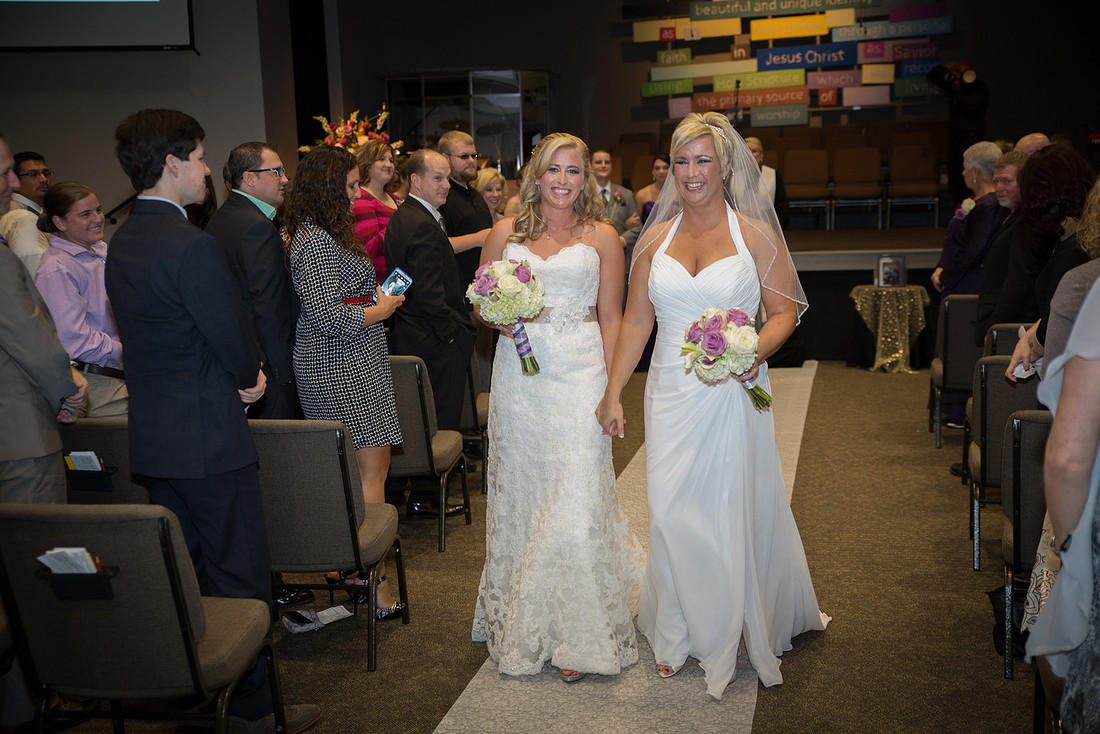
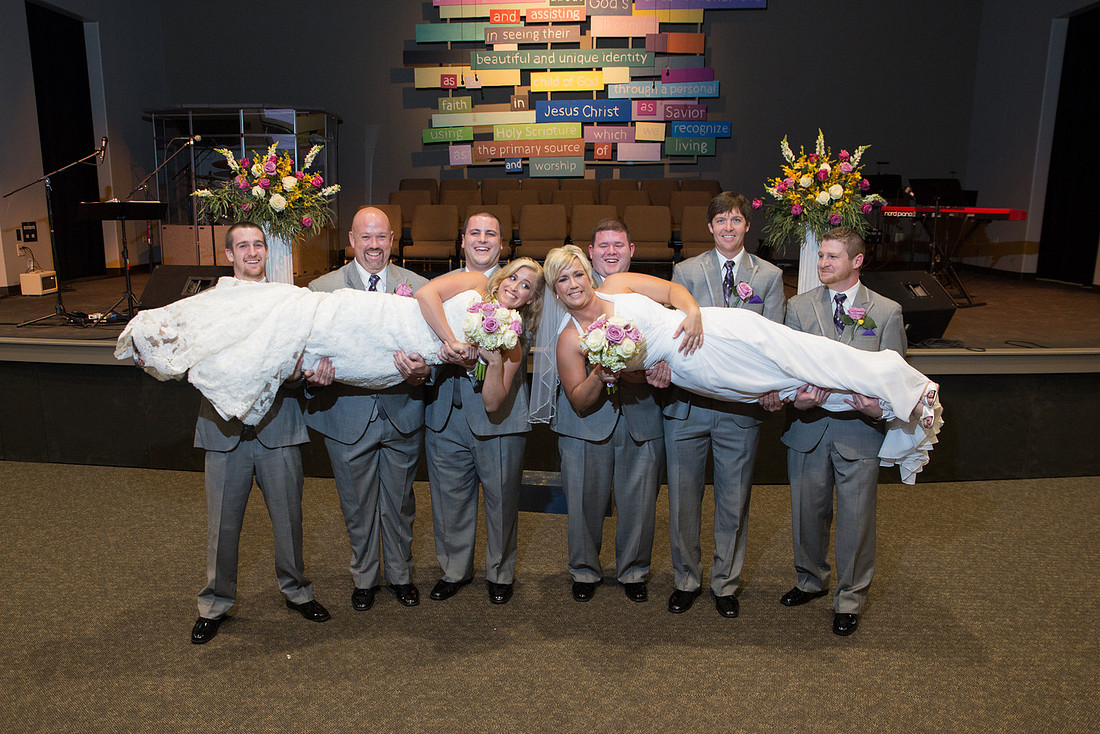
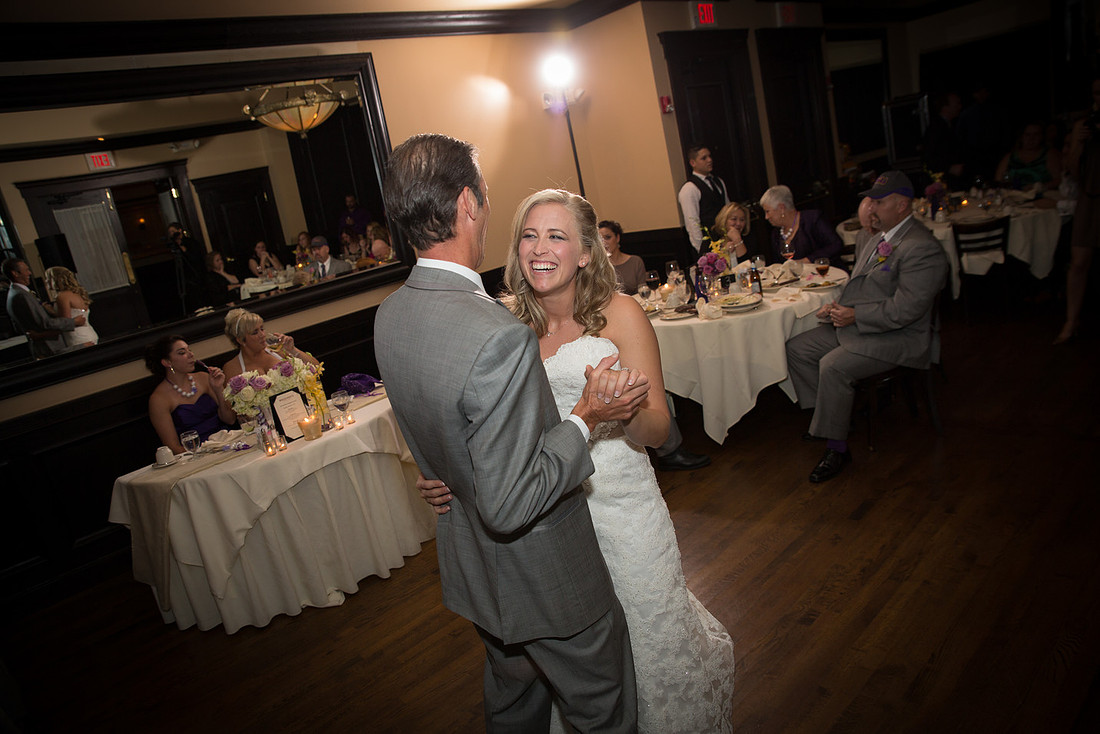
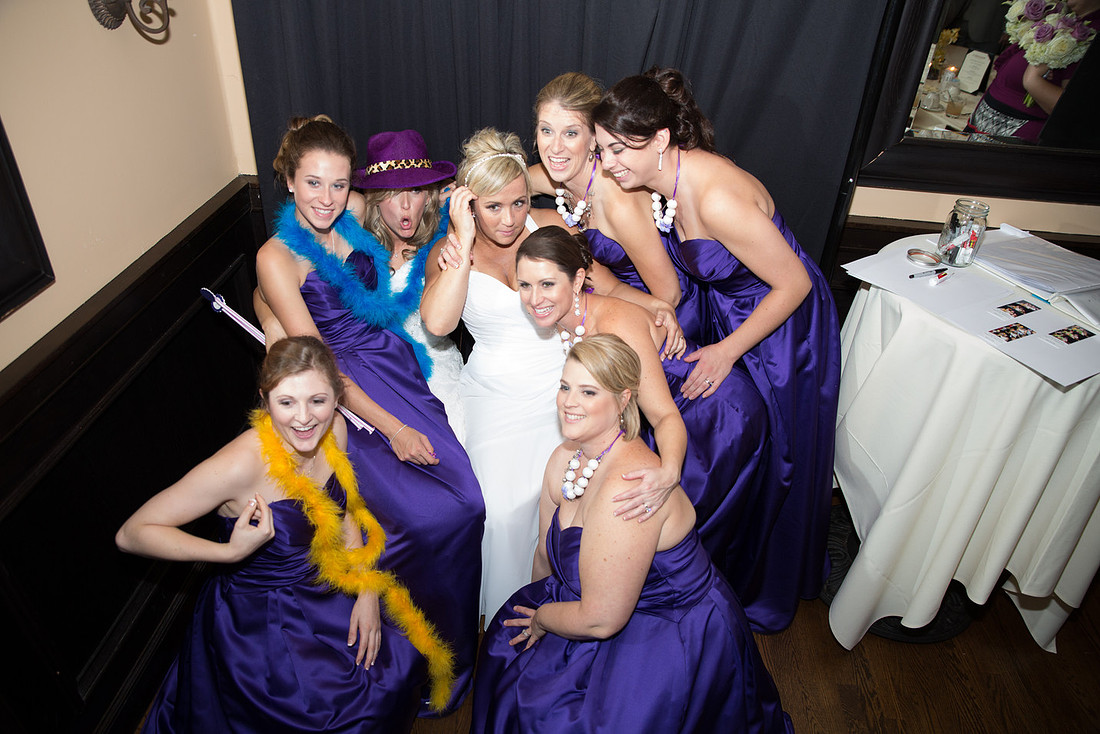
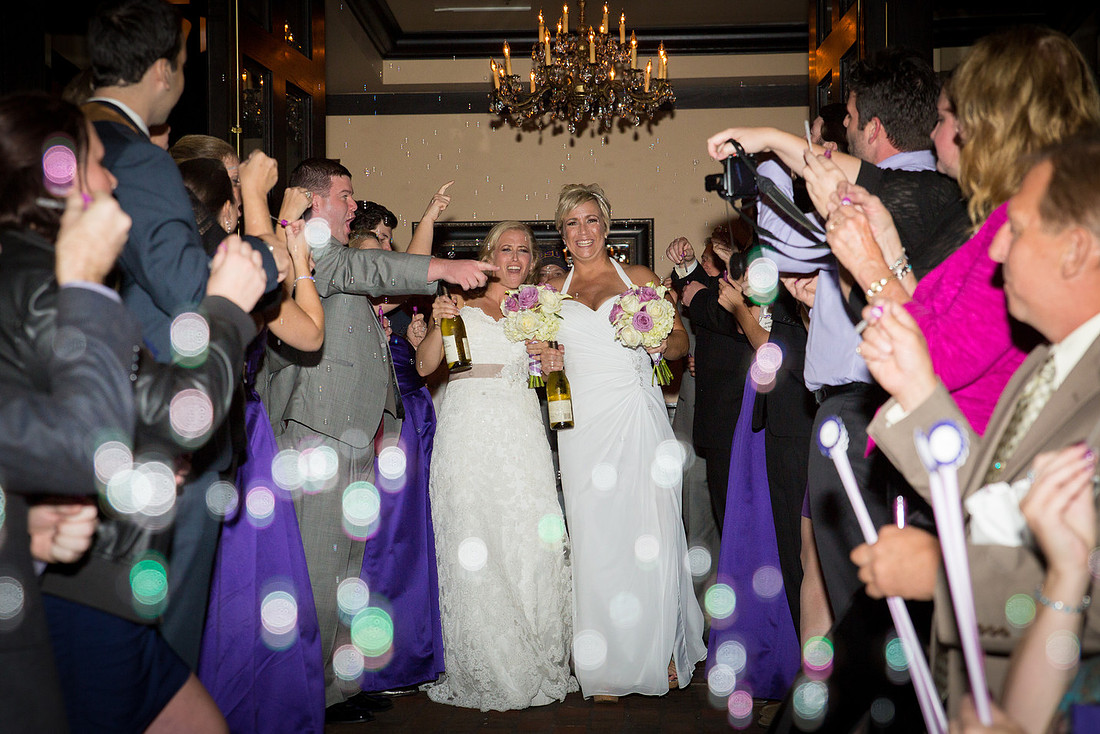
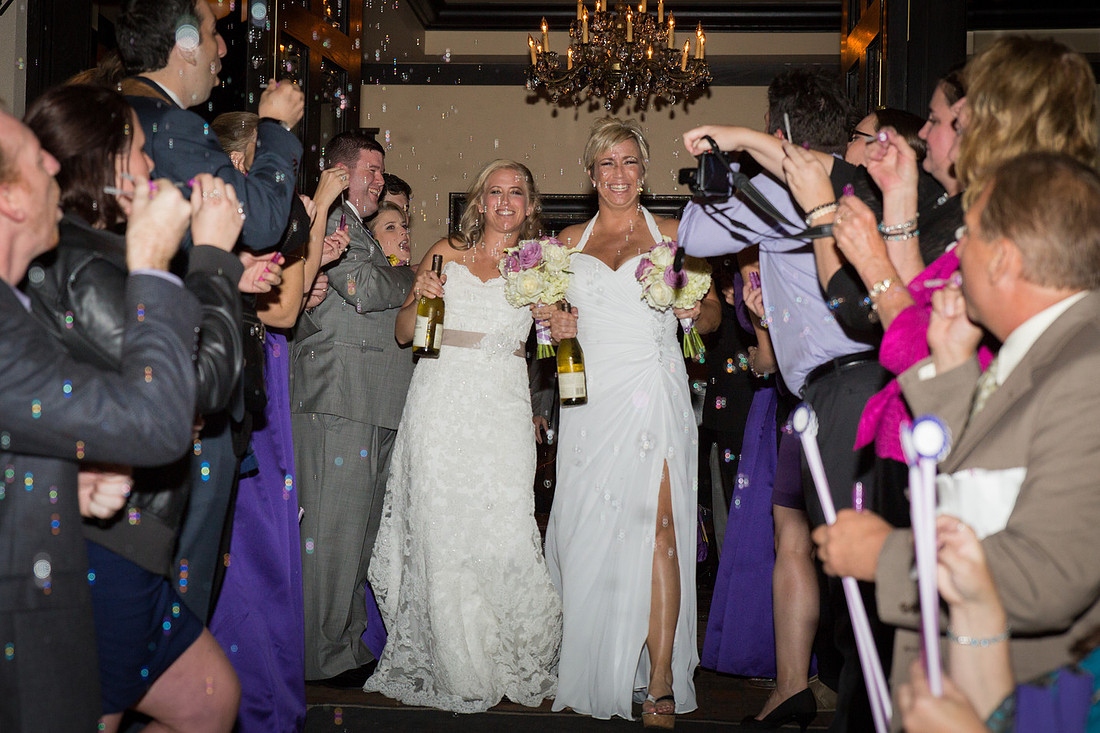
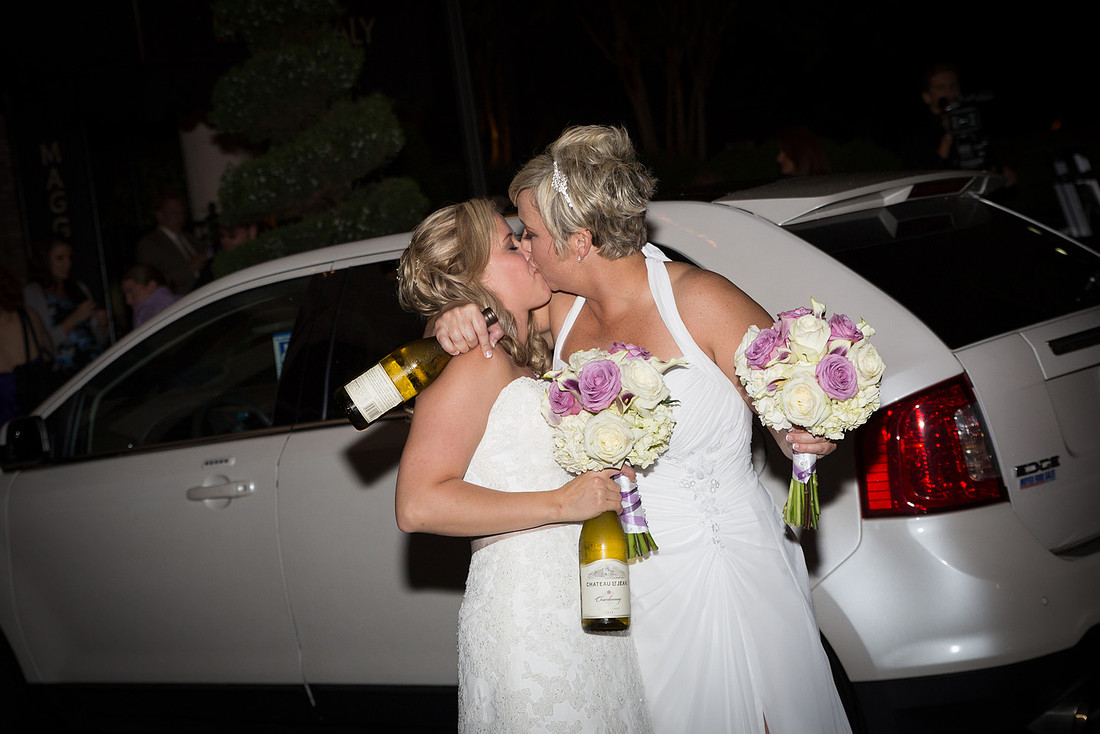
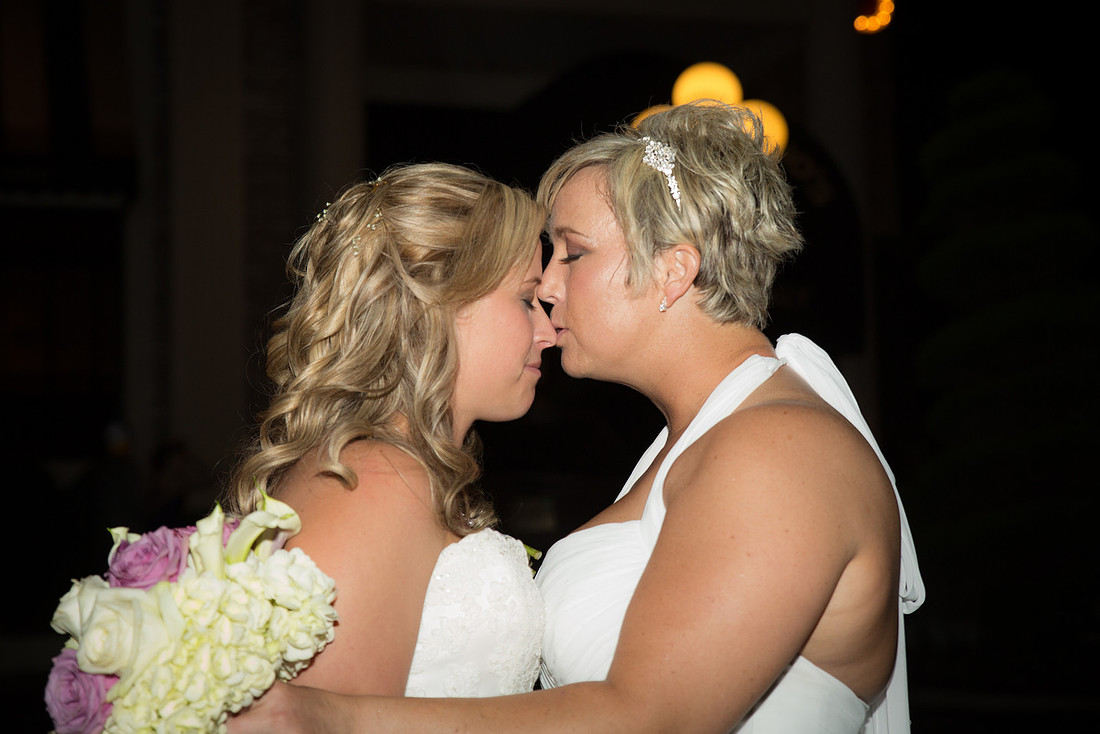
It was a fantastic day. The French Quarter was full of crazy folks dressed up in red dresses. The wedding was beautiful and Rachel and Andy were ready to play.


What a day! What a fun Family. Debra and I had a great time meeting and working with everyone. We wanted to post a few shots as we're working on all the wedding day photos. I will be adding pictures over the next two weeks. So...please come back and visit Anna & Zach's Blog. Photos will be available to purchase on line in about two weeks.

]]>
It was hot, but Jessie and Will came to play and make the day fun for all of us.
We had a fun day with Brittni, Nathan and the pup. It's not hard to get good photos when your subjects are this cute.
Christina brought her A game with a full on 40's look with accessories. Debra and I had a blast making the most of our time with Christina and Jeremy. We're looking forward to the wedding in the Dominican Republic.
What a fun day! Michelle and Chase were up for anything. We had a blast playing around in Nashville.
It was a hot rainy day yesterday and we turned what could have been a disaster into a great photos shoot. Rachel and Andy were up for anything, so we played in the rain.
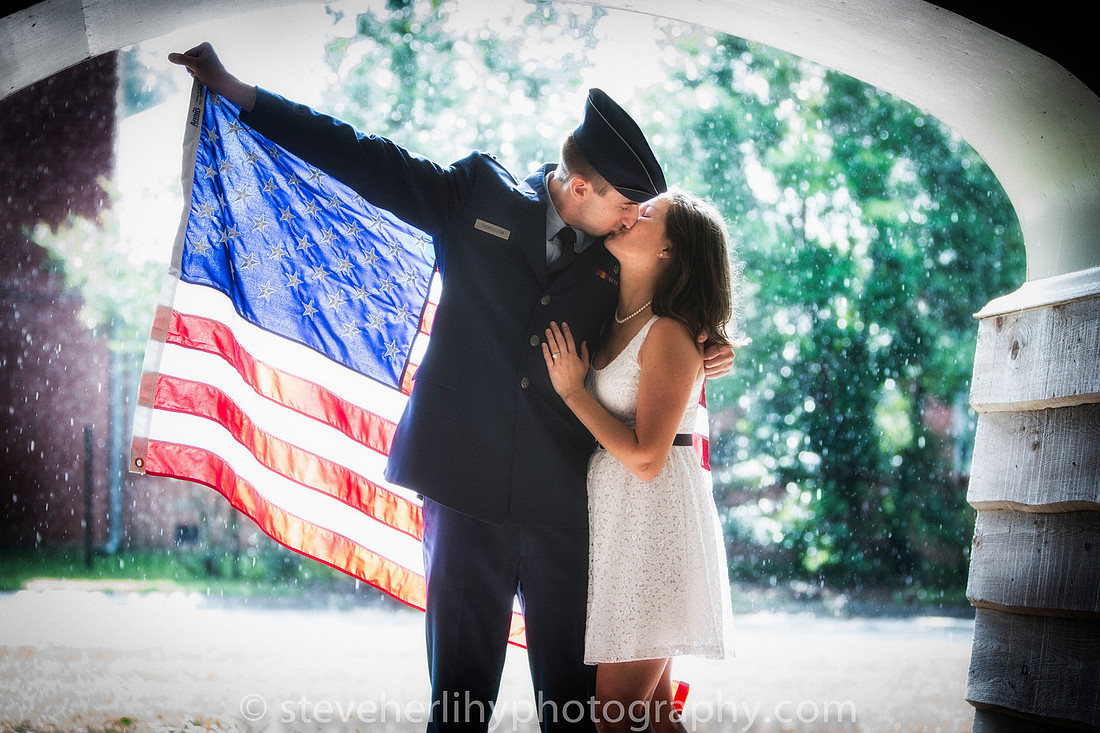
We enjoyed taking Lauren and Ryan's engagement photos. We had fun running around Marathon Village finding photo locations. Lauren is now the prettiest State Trooper in Tennessee. She just graduated the State Trooper Academy and got her first police car. Drive slow everyone. Lauren is out there watching.
]]>
We are so excited for Jennifer and Jeff. Their new baby girl will be here in 10 weeks. Debra and I shot their engagement and wedding photos. Now we get to celebrate the new baby with Maternity photos.
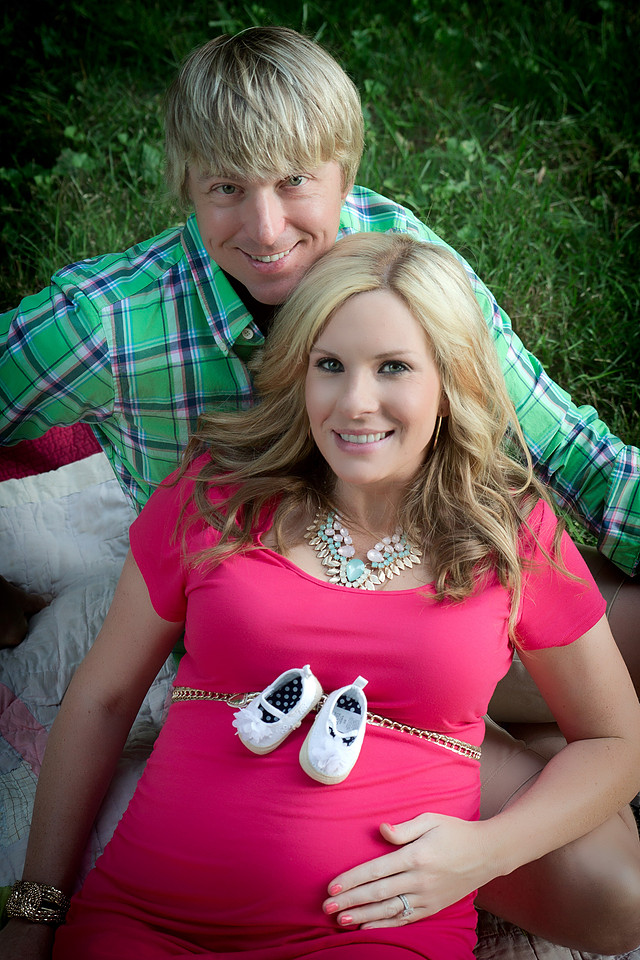
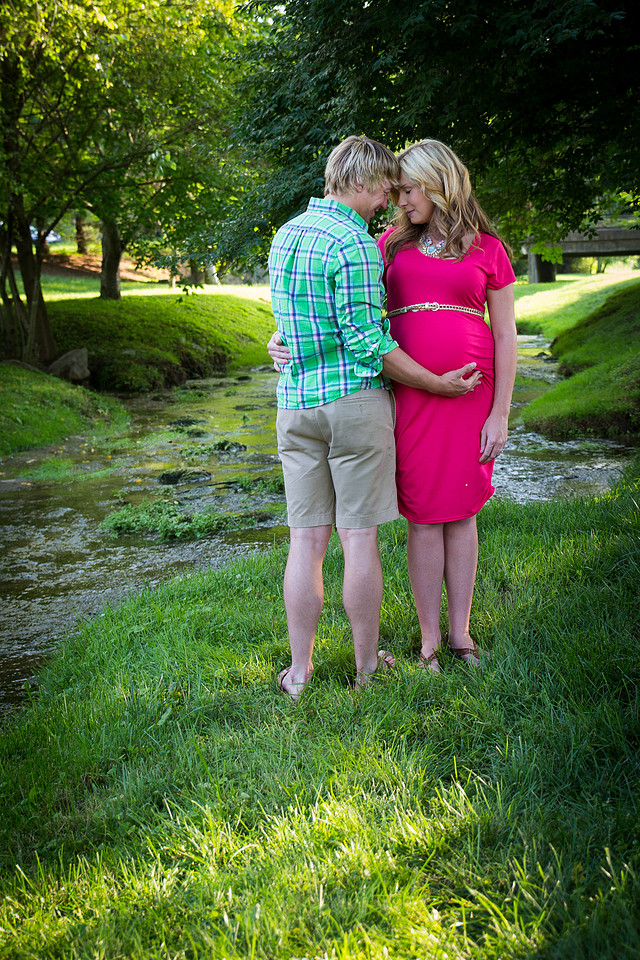
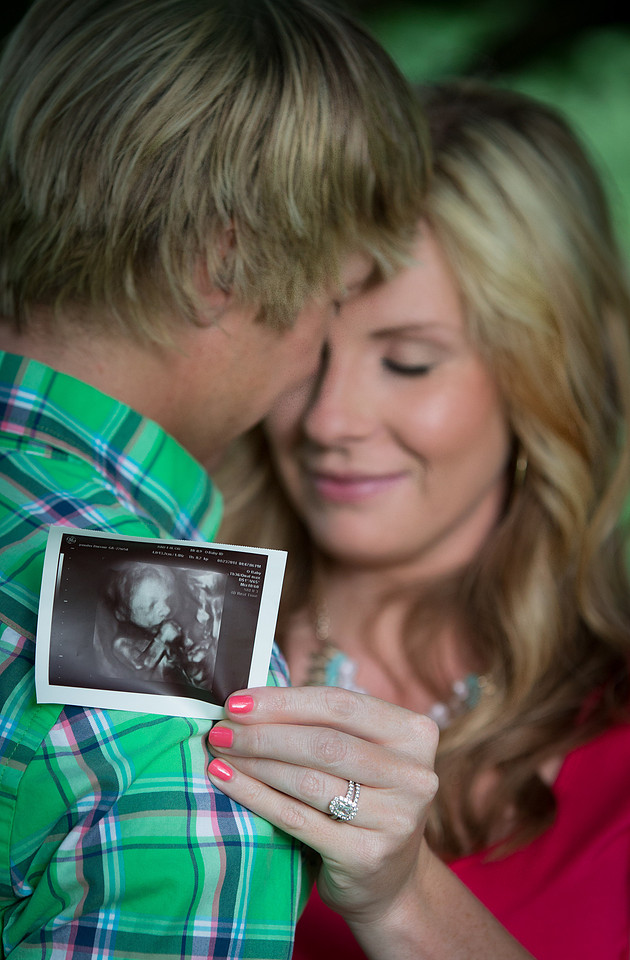
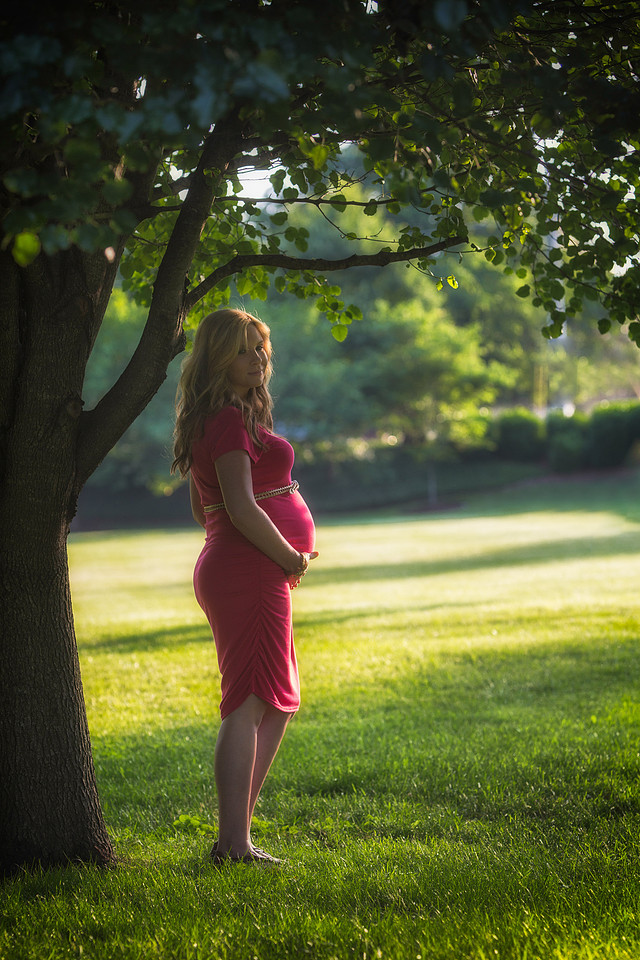
It was a fun day at the Carrico home celebrating Thomas's 4th birthday. Many friends and family came over to help celebrate Thomas's big day. Curious George set the stage for the day.



]]>
Debra and I enjoyed being part of Alisha & Chris's big day. The location was amazing.


 Debra and I had so much fun with Cora, Mathew and the new pups. Two people in love and puppies....what more can I say. It doesn't get better than that.
 Debra and I just spent a fantastic week in Bermuda at the wedding of my best friends daughter. The weather was perfect and I got some time to take photos of my beautiful wife. Debra and I work together all the time, but it seems I never get to take photos of her. So...when I can get her not to laugh, we get some great pictures. More to come....


]]>
Debra and I had a great time working with Haley and we wish her the best with her modeling and acting in Nashville.


]]>


Welcome to my new blog. I will be posting some samples of what we do at Steve Herlihy Photography, as well as recent photo shoots and stories.
Thanks you for joining us on this new adventure.